
Introduction
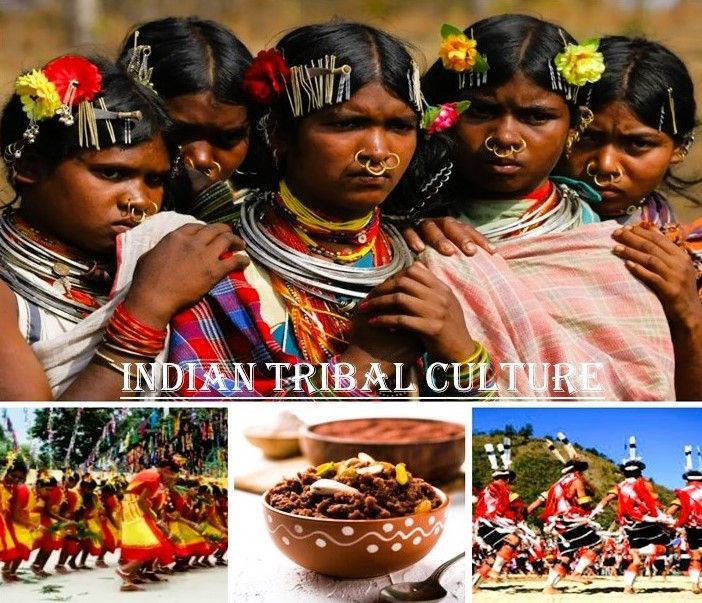
India is often described as a land of “unity in diversity,” and nowhere is this more evident than in its tribal culture. With hundreds of tribes spread across the country, each with its own customs, languages, and practices, Indian Tribal Culture enriches the nation’s heritage. These communities have preserved their Unique Identities while adapting to changing times, making them integral to India’s civilization. Their traditions, rituals, food, and festivals reflect a deep connection with nature and community living, offering a vibrant testimony to diversity and harmony.
Customs and Traditions of Indian Tribal People
Tribal life in India is deeply rooted in nature and collective living. Each tribe has distinctive customs and beliefs:
- Sentinelese (Andaman): One of the most isolated tribes, known for secrecy and their peculiar fondness for red buckets.
- Jarawa (Andaman): They consider deer sacred and celebrate puberty rituals with hunting and clay-oil ceremonies.
- Chenchus (Andhra Pradesh): Known for freedom in marriage and divorce, with widows allowed to remarry.
- Bhils: Among India’s largest tribes, they grant women liberty, practice polygamy, and permit remarriage.
- Santhals (Eastern India): Worship local gods and spirits without temples or idols.
- Mundas: Contributed to sports, politics, and literature; Ram Dayal Munda was honored with the Padma Shri.
- Khasi (Meghalaya): Follow a matrilineal system where property passes through the mother’s line.
- Gonds (Central India): Blend Hindu practices with tribal customs.
- Angami (Nagaland): Famous for woodcraft and artistic skills.
Religion of Indian Tribal People
Tribal religions are deeply rooted in nature worship and folk traditions. While Hinduism, Buddhism, Islam, and Christianity have influenced many tribes, indigenous practices remain strong. The Santhal religion of Odishais one of the most prominent tribal faiths. In Himalayan regions, tribal groups have absorbed elements of Hinduism and Buddhism, creating syncretic traditions that blend mainstream practices with local beliefs.
Food Culture of Indian Tribal People
Food plays a vital role in tribal life, closely tied to health, spirituality, and community. Tribes rely heavily on natural resources, consuming wild fruits, roots, tubers, honey, fish, crabs, and snails.
- Odisha Tribes: Enjoy ragi-based dishes like ragi halwa, porridge, and pakora.
- Bhils: Known for rustic dishes such as kachra sabji, chancch, and mirchi ki chatni.
- North-East Tribes: Famous for soybean-based fermented foods (bekang, kinema, axoni) and bamboo-based dishes (hikhu, lungseij). Tree bean delicacies like yongchak and iromba are also popular.
Festivals of Indian Tribal People
Festivals are central to tribal identity, celebrating nature, harvest, and community bonds.
- Central India: Madai Festival, Bhagoriya Festival, and Bastar’s Tribal Dussehra.
- Northern India: Mim Kut, Sekrenyi, Aoling, Moatsu, and the Hornbill Festival.
- Eastern India: Bali Jatra, Karama Festival, Mage Parab, Sarhul, and Chaitra Parva.
- Southern India: Holi and the Samakka Festival.
Conclusion
Indian Tribal Culture is a vibrant blend of traditions, rituals, food, and festivals that highlight the diversity of the nation. Despite modernization and external influences, tribal communities have preserved their unique identities and continue to thrive. Their customs reflect A Deep Connection with Nature, a strong sense of community, and values of equality and freedom. As custodians of ancient traditions, India’s tribes remind us of the importance of cultural heritage in shaping a balanced and harmonious society.