
Introduction
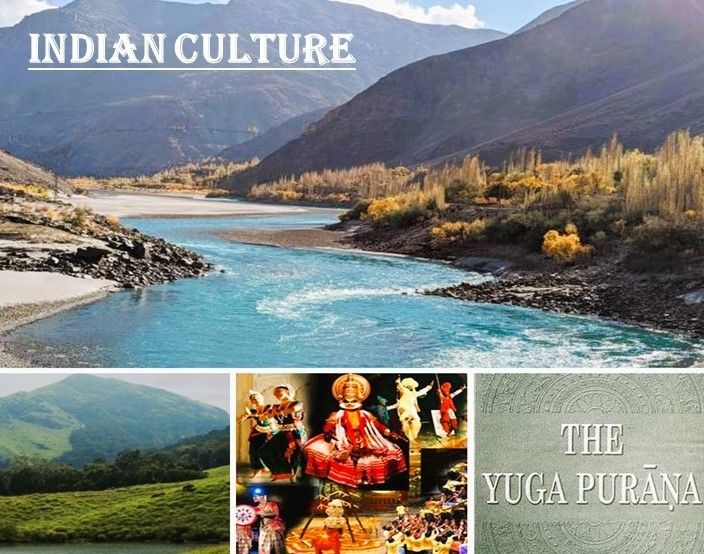
India, in its original Persian sense, was named after the Sindhu River, while the Greeks referred to it as Indos. Over time, this name came to signify all the land beyond the Indus, encompassing both the northern plains and the Deccan plateau. Geography has played a decisive role in shaping India’s culture, history, and identity. From the Himalayas in the north to the seas in the south, India’s diverse landscapes have nurtured traditions, fostered tolerance, and created a sense of unity amidst diversity.
The Deccan and Peninsular India
The Deccan plateau is considered the most Ancient Part of India. Geological upheavals transformed it into a peninsular landmass, while the northern cretaceous sea-bottoms rose to form towering ranges. The Deccan stretches southward, narrowing at the Nilgiri Hills and extending to Cape Comorin. Flanked by the Western Ghats and Eastern Ghats, and bordered by the Vindhya rangesto the north, the Deccan has been a cradle of civilizations, influencing settlement patterns, agriculture, and cultural practices.
The Himalayas and Northern Plains
The Himalayas, forming a crescent from northwest to southeast, act as a natural frontier, enclosing fertile river basins. Pierced by rivers such as the Indusand Sutlej, they have nurtured civilizations along their valleys. The five rivers of Punjab, forming an inverted delta, and the fertile plains of the Ganga, collecting streams from the southern slopes of the Himalayas, have sustained agriculture and spiritual traditions for millennia. These river systems not only provided food security but also became sacred symbols in Indian culture, with the Ganga revered as a goddess and purifier.
Geography and Cultural Development
India’s geography has profoundly influenced its cultural evolution. The vastness of the land and its varied climate nurtured a spirit of tolerance and acceptance. The openness of plains and valleys allowed newcomers to settle gradually, blending their traditions with indigenous practices. This slow infiltration fostered diversity without disrupting unity, giving rise to India’s hallmark—unity in diversity.
The climate, often described as making people contemplative or lethargic, encouraged philosophical reflection and spiritual pursuits. The abundance of natural resources provided the foundation for a civilized and creative life, enabling the growth of art, architecture, and literature.
Isolation and Unity
India’s natural frontiers the Himalayas in the north, seas in the south, deserts in the west created geographical isolation, fostering a distinct cultural identity. This isolation nurtured internal cohesion while differentiating India sharply from external lands. The shared economic organization across regions led to common characteristics and outlooks, reinforcing unity.
Geography and Religious Consciousness
Geography is intimately tied to Indian religious culture. Rivers, mountains, forests, and soil are revered as sacred. The concept of Bharat Varsha, the motherland, reflects the territorial consciousness of Indian society. India was regarded as Karmabhumi, the land of duty, where all human efforts and activities must be connected. This reverence for the land fostered a deep love for nature, evident in rituals, festivals, and traditions that celebrate rivers, harvests, and seasons.
Conclusion
The Geographical Features of India its mountains, rivers, plateaus, and coasts have profoundly shaped its culture, instilling values of tolerance, unity, and reverence for nature. Geography provided the basis for India’s spiritual outlook, economic organization, and cultural diversity. By nurturing unity amidst diversity, it created a civilization that continues to thrive on its deep connection to the land. Indian culture, rooted in its geography, remains a timeless testament to the harmony between nature and human society.