
Introduction
The Chola dynasty (9th–13th century) marked one of the most glorious periods in South Indian history, not only in terms of political power but also in the flourishing of art and culture. The Cholas elevated temple architecture, sculpture, literature, and performing arts to new heights, leaving behind a legacy that continues to inspire admiration. Their contributions to the Dravidian style of temple building, bronze casting, and Tamil literature established them as patrons of creativity and guardians of cultural heritage.
Temple Architecture
The Cholas Were Renowned Builders, and their temples remain some of the finest examples of Dravidian architecture. These temples were not merely places of worship but also cultural hubs that fostered art, music, and dance.
- Brihadeeswarar Temple at Thanjavur, built by Rajaraja Chola I, is a UNESCO World Heritage Site and a masterpiece of Chola architecture. Its towering vimana (temple tower) and intricate sculptures reflect the grandeur of the dynasty.
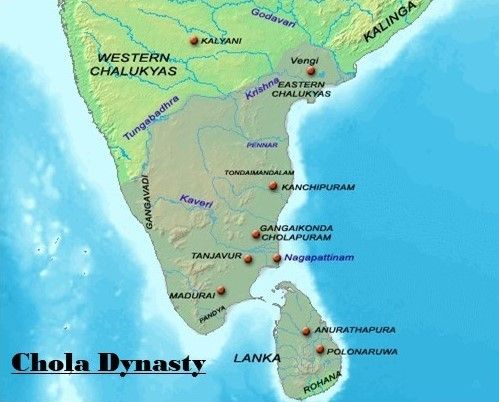
- Gangaikonda Cholapuram Temple, constructed by Rajendra Chola I, symbolizes the dynasty’s imperial power and artistic excellence.
- Airavateswara Temple at Darasuram, built during the reign of Rajaraja Chola II, is another architectural marvel, noted for its detailed stone carvings and exquisite design.
These temples were dedicated primarily to Lord Shiva and Lord Vishnu, showcasing the Cholas’ devotion to Hinduism and their role in strengthening religious traditions.
Sculpture and Bronze Casting
The Cholas excelled in sculpture, particularly in the creation of bronze icons. The most famous among these is the image of Lord Shiva as Nataraja, the cosmic dancer, which symbolizes the rhythm of the universe. These bronzes are celebrated for their grace, balance, and spiritual depth.
Stone sculptures also adorned temple walls, depicting deities, mythological scenes, and everyday life. The artistry of these carvings reflects both technical mastery and cultural richness.
Literature and Language
The Chola period witnessed a flourishing of Tamil literature. Works such as Kambaramayanam, a Tamil retelling of the Ramayana by Kamban, enriched the literary tradition. Inscriptions on temple walls recorded royal decrees, donations, and achievements, serving as valuable historical sources and showcasing the widespread use of Tamil as the language of administration and culture.
Music and Dance
Temples under the Cholas were not only architectural marvels but also centers of performing arts. Classical dance forms such as Bharatanatyam were performed in temples as offerings to the deities. Music, both vocal and instrumental, was an integral part of temple rituals. The Cholas thus played a crucial role in nurturing traditions that continue to thrive in South India today.
Religious and Cultural Patronage
The Chola kings were devout patrons of Hinduism, particularly Shaivism and Vaishnavism. Their temples became centers of spiritual life, attracting scholars, poets, and artists. By supporting temple construction and cultural activities, the Cholas ensured that art and religion were deeply intertwined in society.
Conclusion
The Art and Culture Under the Chola Dynasty represent a golden age of creativity in South India. Their majestic temples, exquisite sculptures, and contributions to literature and performing arts reflect a civilization that valued beauty, spirituality, and innovation. The Cholas not only strengthened the Dravidian architectural tradition but also left behind a cultural legacy that continues to inspire admiration across the world. Their achievements stand as enduring symbols of India’s rich heritage and artistic brilliance.