
Introduction
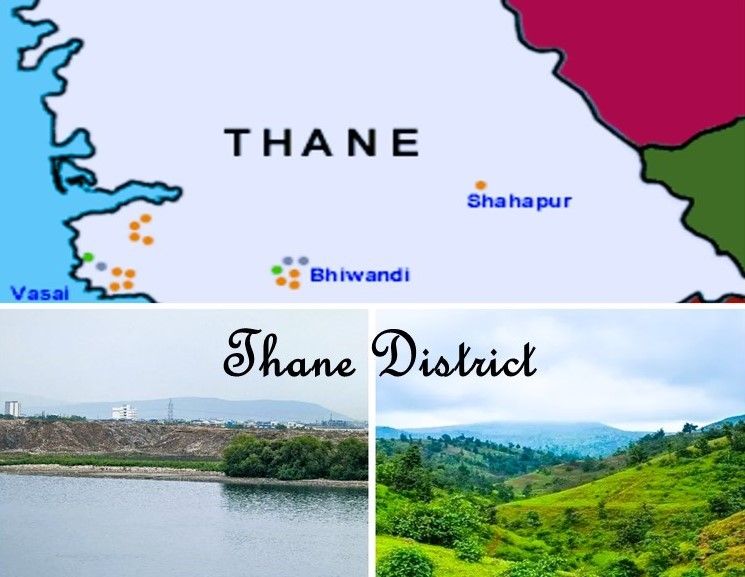
Thane District, nestled in the western Indian state of Maharashtra, is a vibrant administrative region that forms part of the North Konkan belt. Bounded by the majestic Sahyadri hills to the east and the Arabian Sea to the west, Thane boasts a diverse topography and a rich cultural tapestry. With a coastline stretching approximately 113 kilometers, the district is both a geographical marvel and a hub of socio-economic activity.
Strategically located, the district headquarters Thane City is just 25 kilometers from Chhatrapati Shivaji International Airport and 35 kilometers from the bustling metropolis of Mumbai. Spanning a total area of 9558 square kilometers, Thane accounts for about 3.11% of Maharashtra’s landmass. The district is also a center for education, housing over 4,500 primary schools, nearly 937 secondary schools, 189 institutions for higher education, and 72 Adult Education Adivasi Ashram Schools.
History of Thane District
Thane’s historical narrative is as layered as its landscape. The district’s history can be divided into four distinct periods:
- Ancient Period (Pre-1300 AD): This era blends myth and history, with Thane forming part of the ancient region known as Aprant or Puri-Konkan. The earliest known historical reference comes from Ashoka’s edicts, indicating the region’s integration into early Indian empires.
- Muslim Period (1300–1660 AD): During this time, the region saw the rise of Turkic and Mughal rulers. Many temples and churches were destroyed, and the area came under the strong rule of Muhammad Bin Tughlaq, who maintained Mughal supremacy in North Konkan.
- Maratha Period (1660–1800 AD): The Marathas, under leaders like Chimaji Appa, reclaimed territories such as Vasai from the Portuguese after prolonged sieges. This period marked a resurgence of local governance and cultural revival.
- British Period (1802–1947): Following the Treaty of Vasai in 1802, Thane became a British possession and was incorporated into the Bombay Presidency by 1818. Under colonial rule, trade and infrastructure saw significant development, laying the foundation for modern Thane.
Demography of Thane District
Thane is one of Maharashtra’s most populous districts. According to the 2011 Census, the district had a population of approximately 11,060,148, making it the third most populous district in the state. The population density stands at 1157.16 people per square kilometer, reflecting the district’s urbanization and industrial growth.
- Urban vs. Rural Split: About 8.5 million people reside in urban areas, while 2.5 million live in rural regions.
- Households: The district comprises over 2.5 million households, with an average household size of 4.37 individuals.
- Villages: Thane is home to 1,704 villages, each contributing to the district’s cultural and agricultural diversity.
This demographic mix makes Thane a microcosm of Maharashtra’s broader social fabric, blending urban dynamism with rural traditions.
Administration of Thane District
Thane District is administratively divided into seven subdivisions or tehsils, each managed by a Tehsildar responsible for revenue collection and maintaining law and order. These subdivisions include:
- Thane
- Kalyan
- Ulhasnagar
- Ambernath
- Bhiwandi
- Shahapur
- Murbad
The district’s governance is overseen by the Zilla Parishad, which coordinates development activities, public welfare programs, and infrastructure projects. The Maharashtra Industrial Development Corporation (MIDC) has played a pivotal role in establishing eight industrial estates across the district, fueling economic growth and employment.
Economic and Industrial Landscape
Thane is a powerhouse of industrial activity. The southern and western parts of the district are particularly industrialized, with major hubs in Kalyan, Ulhasnagar, Ambernath, and Bhiwandi. The district is renowned for:
- Textile Industry: Bhiwandi is a major center for powerloom fabrics, second only to Ichalkaranji in Maharashtra.
- Chemical and Pharmaceutical Manufacturing: Thane hosts numerous large-scale producers of chemicals and medicines.
- Plastic and Iron Goods: Medium and small enterprises manufacture a wide range of industrial products.
- Defense Manufacturing: Ambernath houses a Central Government-sponsored arms and ammunition factory.
The proximity to Mumbai and access to international markets have made Thane a preferred destination for industrial investment.
Fisheries and Agriculture
Thane’s coastal stretch and inland water bodies support a thriving fisheries sector. With over 7642 hectares suitable for groundwater fishing, the district caters to both domestic and international markets, including Gulf countries.
Agriculture remains vital in the eastern tehsils, where different soil types regur, red, and brownish-black support diverse crops. Paddy, coarse millets, and vegetables are commonly cultivated, depending on soil and climatic conditions.
Tourism and Travel
Thane’s natural beauty and historical landmarks make it a compelling destination for travelers. The Sahyadri ranges, rivers like Ulhas and Vaitarna, and forested areas offer scenic retreats. Historical sites such as Vasai Fort and ancient temples reflect the district’s rich heritage.
Its proximity to Mumbai enhances its appeal for weekend getaways and cultural tourism. Whether it’s trekking in the hills, exploring colonial architecture, or enjoying coastal cuisine, Thane offers a multifaceted travel experience.
Thane District stands as a Dynamic Blend of History, industry, education, and natural beauty. From ancient inscriptions to modern industrial estates, it reflects the evolution of Maharashtra itself. Whether you're a traveler, historian, entrepreneur, or student, Thane has something to offer making it not just a district, but a destination.