
Introduction
Bijapur district, nestled in the southern part of Chhattisgarh, is one of the 27 districts that make up this vibrant state. Bijapur town serves as the administrative headquarters and is a gateway to the district’s rich natural and cultural heritage. Formerly part of Dantewada district, Bijapur was carved out as a separate entity in 2007 to facilitate better governance and development in this remote region. Despite its relative obscurity, Bijapur holds immense potential for eco-tourism, tribal culture exploration, and wildlife conservation.
Geography of Bijapur District
Bijapur occupies the southwestern corner of Chhattisgarh and spans an area of approximately 6,555 square kilometers. It shares borders with Narayanpur district to the north, Dantewada to the east, Telangana to the southwest, and Maharashtra to the west. This strategic location places Bijapur at the crossroads of multiple cultural and ecological zones.
The district is part of the Bastar division, known for its dense forests, undulating terrain, and rich biodiversity. Bijapur’s landscape is dominated by thick deciduous forests, interspersed with rivers, waterfalls, and hills. The Indravati River, one of the major rivers in the region, flows through the district, adding to its scenic beauty and ecological importance.
One of the most striking geographical Features of Bijapur is the Nambi Jaldhara waterfall, which plunges from a height of about 540 feet near Usur, making it the highest waterfall in Chhattisgarh. The district’s terrain and forest cover make it a haven for nature lovers and adventure seekers.
Economy of Bijapur District
Bijapur’s economy is primarily agrarian, with a significant portion of the population engaged in farming and forest-based livelihoods. The district’s remote location and lack of industrial development have kept its economy relatively underdeveloped. However, the abundance of natural resources, especially forest produce like tendu leaves, mahua flowers, and bamboo, provides sustenance to local communities.
The tribal population, which constitutes the majority in Bijapur, relies heavily on traditional agriculture and forest gathering. Paddy is the main crop cultivated during the monsoon season, while pulses and minor millets are grown in smaller quantities. Livestock rearing also contributes to the rural economy.
In recent years, efforts have been made to improve infrastructure and connectivity in Bijapur, with the aim of integrating it into the broader economic framework of Chhattisgarh. Government schemes focusing on skill development, rural employment, and tribal welfare are gradually transforming the economic landscape.
Despite these initiatives, Bijapur remains one of the least literate districts in India, with a literacy rate of just 41.58% as per the 2011 census. This poses a challenge to economic growth and highlights the need for sustained investment in education and human development.
Wildlife of Bijapur District
Bijapur is a treasure trove of wildlife and biodiversity. Its dense forests are home to several protected areas that serve as sanctuaries for endangered and rare species. Among the most notable wildlife destinations in the district are:
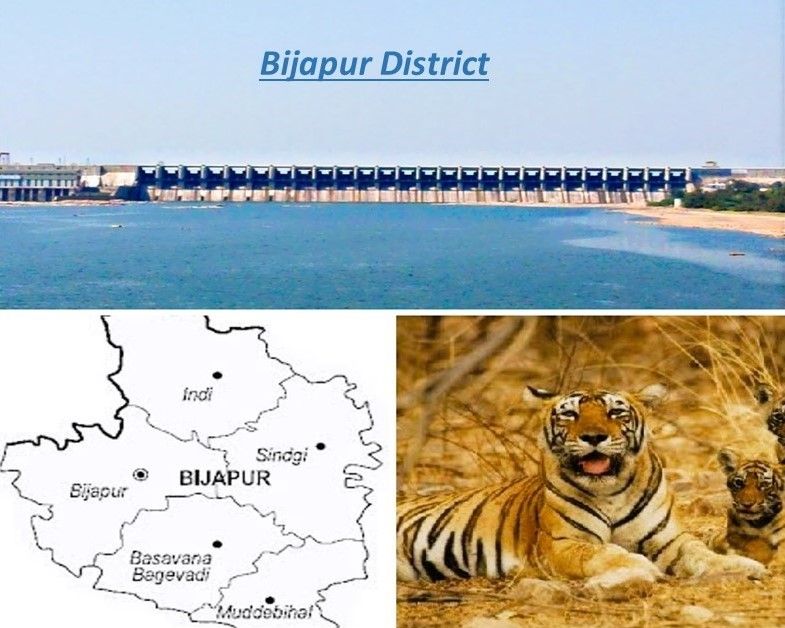
- Indravati National Park: Located in the eastern part of Bijapur, this park is one of the last strongholds of the endangered wild buffalo. It also hosts tigers, leopards, sloth bears, and a variety of deer species. The park’s rich flora and fauna make it a vital conservation area.
- Bhairamgarh Wildlife Sanctuary: This sanctuary is known for its rugged terrain and diverse wildlife, including sambars, chitals, and wild boars. It offers excellent opportunities for wildlife photography and birdwatching.
- Pamed Wildlife Sanctuary: Situated near the border with Telangana, Pamed is a lesser-known sanctuary that provides refuge to several species of mammals and birds. Its remote location ensures minimal human interference, making it ideal for ecological research.
The forests of Bijapur also support a vibrant ecosystem of reptiles, amphibians, and insects. The district’s biodiversity is not just a natural asset but also a cultural one, as many tribal communities have deep spiritual and practical connections with the forest and its inhabitants.
Travel and Tourism in Bijapur
Bijapur is gradually emerging as a destination for offbeat travel in Chhattisgarh. Its untouched landscapes, tribal heritage, and serene environment offer a unique experience for tourists seeking authenticity and adventure.
Some of the key tourist attractions in Bijapur include:
- Nambi Waterfall: A breathtaking natural wonder that draws visitors with its sheer height and tranquil surroundings.
- Sakal Narayan Cave: A mystical cave with religious significance, attracting pilgrims and explorers alike.
- Bhairamdev Temple and Bhadrakali Temple: These ancient temples reflect the spiritual traditions of the region and are important cultural landmarks.
- Tribal Villages: Bijapur has the highest concentration of tribal communities in Chhattisgarh. Visiting these villages offers insights into traditional lifestyles, festivals, and crafts that are rarely seen elsewhere.
Bijapur’s tourism potential lies in its ability to offer immersive experiences—trekking through dense forests, participating in tribal festivals, and exploring hidden waterfalls and caves. The district is ideal for eco-tourism and cultural tourism, provided that development is carried out sustainably and with respect for local communities.
Conclusion
Bijapur district may not yet be a household name in Indian tourism, but it holds immense promise. With its rich natural resources, vibrant tribal culture, and stunning landscapes, Bijapur is a microcosm of Chhattisgarh Untamed beauty. As infrastructure improves and awareness grows, Bijapur is poised to become a beacon for responsible travel and inclusive development. Whether you're a nature enthusiast, a cultural explorer, or simply someone seeking solitude in the lap of nature, Bijapur offers a journey worth taking.