
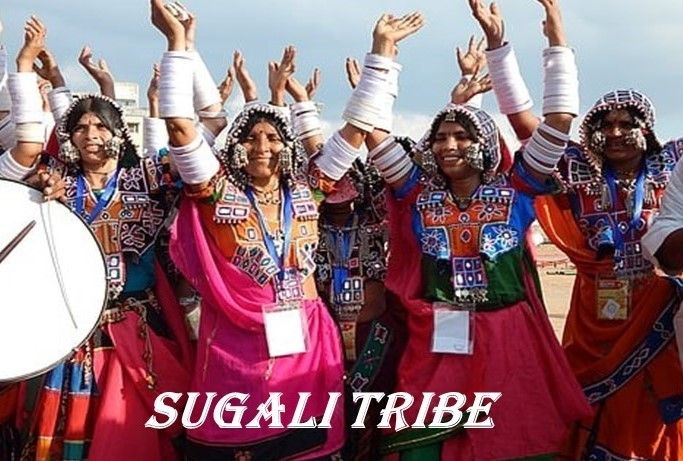
Andhra Pradesh, celebrated for its cultural diversity, is home to several tribal communities that enrich the state’s heritage. Among them, the Sugali tribe, also known as Lambadas in certain regions, stands out for its historical significance and distinctive traditions. Their identity has been shaped by centuries of nomadic practices, social organization, and cultural expressions. While their roots are firmly embedded in Andhra Pradesh, Sugali communities are also found across India, reflecting their adaptability and widespread influence.
Origins and Settlement
The Sugalis were traditionally nomadic, moving from place to place in search of livelihood. Over time, many transitioned into settled communities, with Adadakulapalle village in Anantapur districtserving as a notable example. This settlement highlights their shift from a wandering lifestyle to a more permanent existence. Within Adadakulapalle, the Sugalis are organized into two hamlets, or thandas: Kothapalle Thanda (new hamlet) and Jalapalle Thanda or Patha Thanda (old hamlet). These divisions not only reflect their social structure but also preserve their historical lineage.
Social and Political Representation
The Sugali Tribe has established a strong presence in local governance. In the Adadakulapalle Panchayat, seats are reserved for Sugali members, ensuring their participation in decision-making. Each ward includes two representatives from the community, underscoring their numerical strength and cultural importance. This political inclusion demonstrates the state’s commitment to empowering tribal groups and integrating them into mainstream governance.
Cultural Practices and Traditions
Festivals, music, and dance lie at the heart of Sugali cultural life. These traditions are not merely recreational but serve as vital markers of identity and community bonding. Their traditional dances, performed during festivals, are accompanied by vibrant music that preserves oral traditions and strengthens social cohesion. Seasonal and religious celebrations blend indigenous customs with influences from the broader cultural landscape of Andhra Pradesh, creating a rich tapestry of cultural expression.
Economic Activities
Historically, the Sugalis were renowned traders, traveling long distances to exchange goods. While many have now embraced agriculture and allied occupations, traces of their trading heritage remain. Today, they engage in farming, cattle rearing, and small-scale commerce, contributing significantly to rural economies. Their adaptability to changing circumstances has been central to their survival and growth as a community.
Challenges and Development
Despite their cultural richness, the Sugali tribe faces challenges common to many tribal groups, including limited access to education, healthcare, and employment opportunities. Government initiatives aimed at tribal welfare have made progress, but gaps remain. The reservation of Panchayat seats is a step toward inclusion, yet sustained efforts are needed to uplift their socio-economic conditions. Education, in particular, is crucial for empowering younger generations to participate in modern society while safeguarding their traditions.
Conclusion
The Sugali tribe of Andhra Pradesh exemplifies resilience and adaptability. From their nomadic roots to their settled life in villages like Adadakulapalle, they have maintained a distinct identity while integrating into broader social and political structures. Their vibrant cultural practices, strong community bonds, and growing representation in governance highlight their importance in the state’s cultural mosaic. As Andhra Pradesh continues to evolve, the Sugali tribe remains A Vital Part of its Heritage, reminding us of the enduring value of diversity and tradition.