
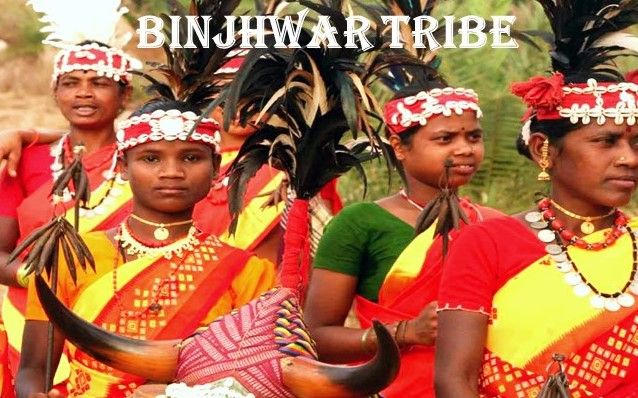
The Binjhwar tribe, often described as a civilized Dravidian tribal group, represents a remarkable blend of indigenous traditions and evolving social structures. Predominantly settled in central India particularly Raipur, Bilaspur, and the southeastern regions of Madhya Pradesh including Bastar the Binjhwar community has flourished for centuries amidst dense forests and mineral-rich lands. Their lifestyle, culture, and beliefs reflect both their tribal roots and their adaptability to changing times.
Origins and Historical Background
The Binjhwar tribe traces its lineage to The Ancient Baiga Tribe of Mandla and Balaghat districts. Historically, their regions were ruled by dynasties such as the Nag, Gag, and Chaturya. Despite external influences, the Binjhwar community has preserved its distinct identity. Known for their simplicity and friendliness, they maintain harmonious relations with neighboring tribes like the Gond, Kanver, Kamar, Halba, Korva, Pando, and Birhi. This spirit of coexistence has allowed them to thrive while retaining their cultural uniqueness.
Social Structure and Customs
The Binjhwar tribe is divided into four major sub-groups: Binjhwars proper, Sonjharas, Birjhias, and Binjhias. Within these groups exist exogamous divisions named after natural elements or animals, such as Bagh (tiger), Panknali (water-crow), Kamalia (lotus), and Pod (buffalo). Marriage customs are liberal, allowing women to choose their partners, with ceremonies typically held at the groom’s residence. Divorce is permitted, and burial is the common practice for the deceased. Religion plays a central role in their lives, with worship of local deities forming the backbone of their spiritual practices.
Cultural Expressions
Festivals, music, and dance are integral to Binjhwar culture. Their art forms, shrines, and statuettes have gained recognition across India. The tribe venerates deities such as Danteshwari, Aanga Devta, and Bhimdev, each associated with aspects of life ranging from protection against evil to invoking rainfall. Superstitions remain prevalent, reflecting their deep spiritual connection to nature and the divine.
A notable cultural highlight is the three-day fair held in March, dedicated to Aanga Devta. Religious devotion also extends to Hindu gods like Lord Ganesha and Lord Shiva, with temples such as the Danteshwari Temple in Dantewada and Mama Bhanja ka Mandir serving as important spiritual centers.
Dress and Ornamentation
Binjhwar attire is distinctive, with women particularly fond of handcrafted jewelry. Necklaces made from cane, beads, or grass, along with silver ornaments, are common. They creatively use wood, glass, copper, and even peacock feathers to craft unique adornments. Floral decorations for hair and chains made of coins further highlight their aesthetic sensibilities, showcasing their artistic flair.
Occupations and Handicrafts
Agriculture remains the primary occupation, but many Binjhwars engage in handicrafts. Skilled artisans produce bamboo baskets, wooden statues, mats, masks, and terracotta items, often sold at fairs. These crafts not only sustain livelihoods but also showcase their artistic heritage, making them an important part of local economies.
Food, Music, and Festivities
The Binjhwar culinary tradition is rich and diverse, featuring delicacies made from mushrooms, fish, pork, and locally prepared alcoholic beverages. Pork holds special significance, often sacrificed during major ceremonies. Music and dance enliven their gatherings, with drums and rhythmic beats resonating across villages during festivals, reinforcing community bonds.
Conclusion
The Binjhwar tribe exemplifies the resilience and vibrancy of India’s indigenous communities. Rooted in tradition yet adaptive to change, they continue to preserve their Cultural Identity Through Rituals, art, and social practices. Their harmonious coexistence with nature and neighboring tribes underscores the richness of India’s tribal heritage, making the Binjhwar community an important part of the cultural mosaic of Madhya Pradesh and Chhattisgarh.