
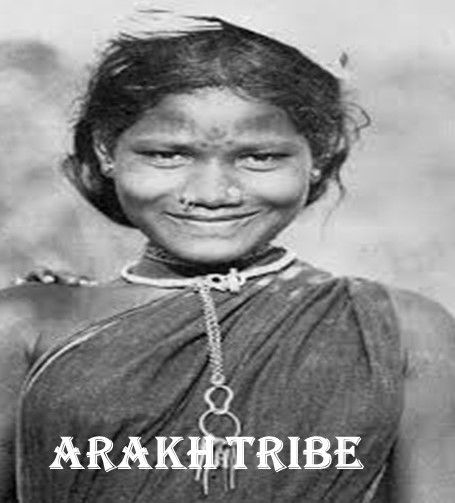
India’s tribal communities represent a rich tapestry of traditions, histories, and identities. Among them, the Arakh tribe, though numerically small, occupies a distinctive place in the socio-cultural Fabric of Central India. Spread across Uttar Pradesh, Madhya Pradesh, and Maharashtra, the Arakhs are primarily cultivators and laborers, yet their heritage is deeply intertwined with folklore, mythology, and historical narratives that continue to shape their identity today.
Historical Background
The Arakh tribe once held considerable influence in Central India until the late fourteenth century. Their decline began when Sultan Firoz Shah Tughlaq dispatched a powerful army to suppress them, effectively ending their rule. The remnants of their authority are still visible in the ruined forts scattered across the region. These silent structures stand as enduring reminders of their once formidable presence and political significance, offering a glimpse into a past where the Arakhs were more than just cultivators they were rulers and warriors.
Origin Legends
The origins of the Arakhs are steeped in mythology and oral traditions, often linked to the Pasi community and Parasurama, the sixth incarnation of Vishnu. One legend recounts that while Parasurama was bathing in the sea, a leech bit his foot, and from his blood emerged two groups: the Pasis and the Arakhs. Another tale suggests that the Pasis were born from Parasurama’s sweat, but when they disobeyed divine orders by hunting animals, they were cursed, leading to their social decline.
The tribe’s name itself is explained through folklore. When Parasurama summoned the Pasis for battle, they hid in an arhar (pigeon pea) field. From this act of concealment, the name “Arakh” is said to have originated. These stories not only highlight their divine association but also emphasize their close cultural ties with the Pasis, reinforcing the tribe’s semi-mythical identity.
Cultural Practices
Arakh culture is vibrant, particularly in its Folklore and Oral Traditions. Their songs celebrate heroes such as Salhia and Malhia, keeping alive tales of bravery and valor. Traditionally, the Arakhs engaged in bird catching and hunting, occupations that distinguished them from other agrarian communities.
Marriage customs among the Arakhs differ from mainstream Hindu practices. Ceremonies are conducted near temples, symbolizing their semi-Hinduised aboriginal identity. The Tribe is closely associated with the Gond community, and their social organization is divided into exogamous clans such as Tekam, Matia, Sayam, Tesli, Madai, Chorliu, and Godam. Marriage within the same clan is strictly prohibited, reflecting a system rooted in the number of deities each group worships. Widow remarriage is permitted, showcasing a progressive stance compared to many other traditional societies.
Death and Mourning
In the event of a death, mourning is observed for only one day, followed by a funeral feast. This practice underscores the community’s emphasis on collective solidarity and ritual closure, ensuring that grief is shared and resolved within the group.
Legacy and Identity
Today, the Arakh tribe continues to embody a blend of myth, history, and cultural resilience. Their traditions, though semi-Hinduised, retain distinct aboriginal elements. The ruined forts stand as historical markers of their past power, while their songs and customs preserve their identity in the present. Despite their decline centuries ago, the Arakhs remain a living testament to the diverse and layered heritage of Central India.