
Introduction
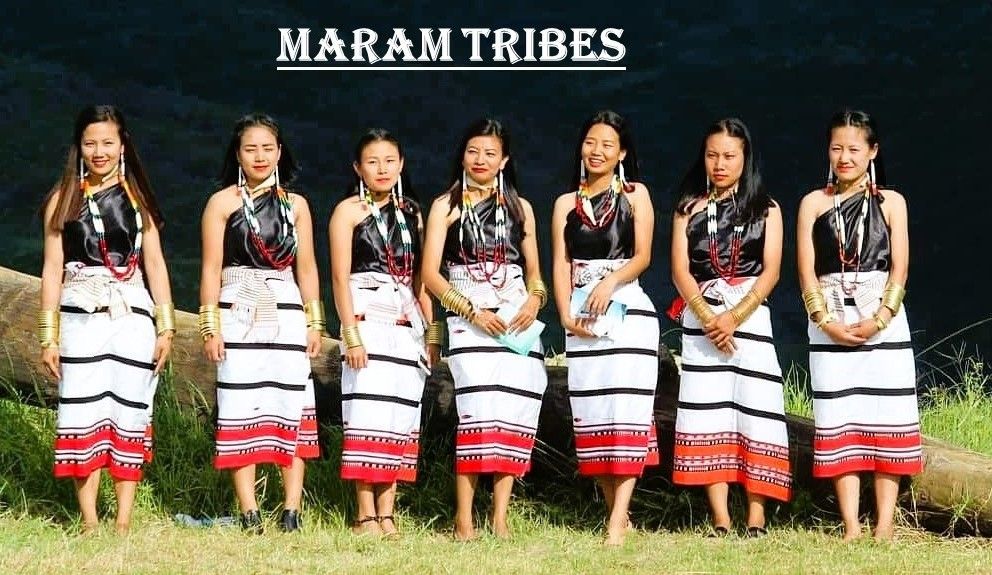
The Maram tribes of Manipur, a sub-group of the Naga community, have a distinctive social organization that reflects their cultural heritage and values. Their society is structured around youth dormitories, marriage customs, and traditional practices that have been passed down through generations. While modernization and Christianity have influenced their way of life, many of these customs continue to define the identity of the Maram people.
Youth Dormitories
One of the Most Unique Features of Maram Society is the institution of youth dormitories. These serve as centers of learning, discipline, and cultural transmission.
- Hangsaki: The dormitory for unmarried boys.
- Kailiu: The dormitory for unmarried girls.
In these dormitories, young members are trained by their seniors in customs, folklore, folktales, dance, music, and songs. Discipline and community values are instilled through collective living. The dormitory system ensures that cultural knowledge is preserved and passed on to younger generations.
Decline of Dormitory System
With the spread of Christianity and modern education, the role of youth dormitories has gradually weakened. Churches and schools have taken over many of the functions once performed by dormitories, leading to a decline in their importance. However, they remain symbolic of Maram tradition and continue to be remembered as vital institutions of cultural preservation.
Marriage Customs
Marriage in Maram society is governed by clear traditions and practices.
- Monogamy: The common form of marriage.
- Polygamy: Rare and socially less accepted.
- Serial Monogamy: Practiced when a person remarries after the death of a spouse or divorce.
- Straight Monogamy: A lifelong union between one man and one woman.
Marriage alliances are important for strengthening ties between clans, as the Maram follow exogamous practices, meaning individuals must marry outside their own clan.
Tattoo Traditions
Tattooing is a prevalent cultural practice among Maram women. Tattoos are not merely decorative but carry social and symbolic meanings. They often represent stages of life, marital status, or clan identity. Tattooing is considered an art form and a marker of beauty and tradition.
Social Organization and Discipline
The Maram society emphasizes discipline, respect for elders, and collective responsibility. Elders play a crucial role in guiding the community, resolving disputes, and preserving traditions. Youth are expected to learn from their seniors, ensuring continuity of cultural values.
Key Features of Social Life:
- Collective Learning: Through dormitories and oral traditions.
- Respect for Elders: Elders are custodians of customs and rituals.
- Community Participation: Festivals, rituals, and agricultural activities involve collective effort.
Influence of Christianity and Modernization
The arrival of Christianity brought significant changes to Maram society. Churches became central to community life, replacing many traditional institutions. Modern education also reshaped social structures, offering new opportunities but reducing reliance on dormitories and traditional practices. Despite these changes, many Maram customs such as monogamy, tattooing, and clan-based organization continue to thrive.
Conclusion
The Society of the Maram Tribes is a fascinating blend of tradition and adaptation. Youth dormitories like Hangsaki and Kailiu once served as vital centers of cultural learning, while marriage customs and tattooing reflect deep-rooted values. Though modernization and Christianity have influenced their way of life, the Maram people continue to preserve their identity through customs, discipline, and community spirit. Their society stands as a testament to resilience and cultural richness in the face of change.