
Introduction
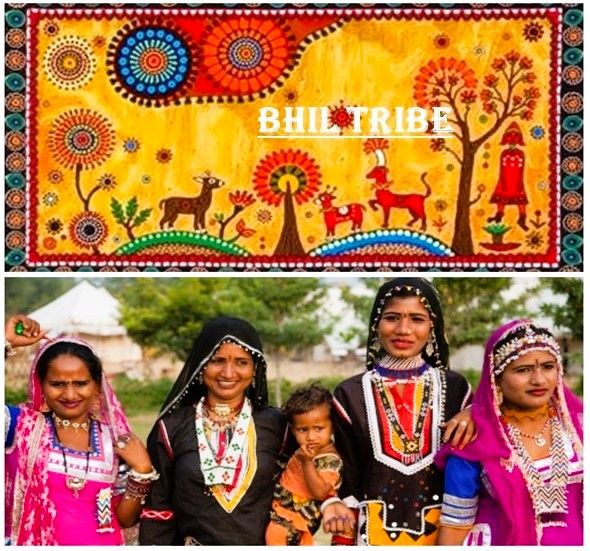
The Bhils, one of the largest tribal groups in India, are known for their vibrant culture, distinct traditions, and deeply rooted spiritual practices. While Hinduism is the predominant religion among them, The Bhil Faith is far more diverse and layered. The Nirdhi Bhils are an exception, following Islam, and a few subgroups in the Dang region have embraced Christianity. Despite these variations, the Bhils continue to worship their tribal deities such as Dev Mogra Mata and Sitla Mata. Every village honors its own Gramdev (local deity), and each family venerates a Kuldev (household deity), often symbolized by a simple stone.
Historical Background
The Bhils are considered among the earliest settlers of central and western India, with references to them found in ancient epics and folklore. Their religious practices evolved through centuries of interaction with mainstream Hindu society, yet they retained their indigenous beliefs. Originally animists, the Bhils revered nature forests, rivers, hills, and animals were seen as sacred manifestations of divine power. Over time, Hindu gods and rituals were incorporated into their spiritual life, creating a unique blend of tribal and mainstream traditions.
Deities and Worship Practices
- Village Deities (Gramdev): Each Bhil village has its own protective deity, worshipped collectively by the community. Rituals often involve offerings, songs, and communal feasts.
- Household Deities (Kuldev): Families worship their Kuldev, represented by a stone placed in the courtyard or near the house. This practice symbolizes the intimate connection between spirituality and everyday life.
- Tribal Deities: Dev Mogra Mata and Sitla Mata are among the most revered deities, worshipped for health, fertility, and protection against diseases.
Rituals may include animal sacrifices, offerings of liquor, and folk dances. Festivals are celebrated with music, dance, and storytelling, reinforcing social bonds and cultural identity.
Influence of Hinduism, Islam, and Christianity
While Hinduism remains the dominant faith, the Bhils’ religious landscape is diverse.
- Hinduism: Most Bhils worship Hindu gods alongside their tribal deities, celebrating festivals such as Holi and Diwali with unique tribal customs.
- Islam: The Nirdhi Bhils follow Islamic practices, including prayers and observances, while still retaining aspects of tribal traditions.
- Christianity: In the Dang region, missionary influence led some Bhil subgroups to adopt Christianity. These communities blend Christian worship with tribal rituals, creating distinctive forms of faith expression.
This diversity reflects the Bhils’ adaptability and openness to external influences, while still preserving their cultural identity.
Social and Cultural Significance
Religion among the Bhils is not confined to temples or scriptures it permeates every aspect of life. Rituals mark agricultural cycles, marriages, and healing ceremonies, ensuring divine presence in daily activities. Festivals serve as occasions for collective participation, strengthening community ties.
The Bhils’ reverence for stones, trees, and rivers highlights their deep connection with nature. This ecological spirituality resonates strongly with modern values of environmental conservation.
Conclusion
The Religion of the Bhil Tribe is a fascinating blend of Hinduism, tribal customs, and influences from Islam and Christianity. Their worship of local and household deities, alongside mainstream gods, reflects a spiritual world that is diverse yet deeply rooted in tradition. For the Bhils, faith is lived daily through rituals, festivals, and reverence for nature. This unique religious system continues to shape their identity, offering valuable insights into India’s cultural and spiritual mosaic.