
Introduction
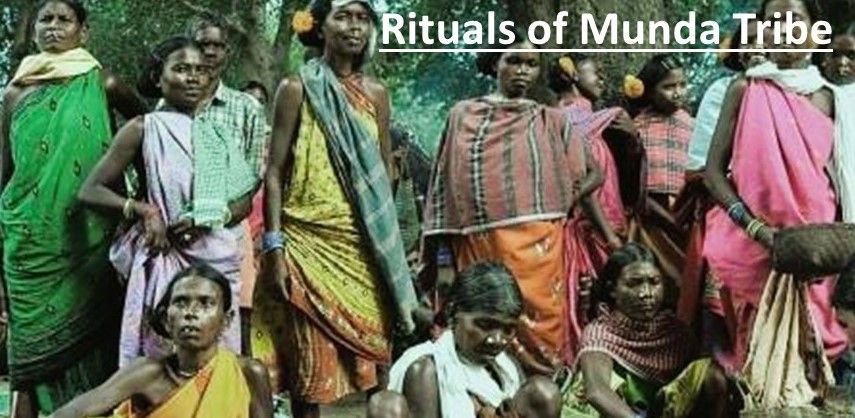
The Munda tribe, one of India’s prominent indigenous communities, inhabits regions of West Bengal, Jharkhand, Odisha, and Assam. Their customs and rituals embody a profound connection with nature, spirituality, and ancestral heritage. Every stage of life from birth to early childhood is marked by sacred performances that preserve cultural values and strengthen communal bonds. These practices highlight the tribe’s belief in purity, protection, and blessings from deities, ensuring that traditions endure across generations.
Birth Rituals
Pregnancy in the Munda Community initiates a series of sacred observances. To safeguard the expecting mother, sacrifices are offered to Garasibonga, the protective deity. A fowl is sacrificed, and offerings are made, after which the woman is considered ceremonially impure and remains secluded for nine days. During this period, the umbilical cord is carefully disposed of in a courtyard or ditch to prevent harmful magic. On the ninth day, the mother and child undergo a ritual bath in a pond, symbolizing purification and reintegration into society.
Chhathi Ceremony
The Chhathi ritual, performed three, six, or nine days after birth, emphasizes purification and social acceptance. Family members, including the newborn, have their hair shaved, which is then immersed in water. The mother, child, and assisting woman bathe with turmeric and oil, symbolizing cleansing. The mat used during childbirth is burned, and the house is decorated with cow dung, rice flour, and vermillion. The father, seated with the child, receives blessings from relatives and guests, marking the child’s formal acceptance into the community.
Naming Rituals
Following Chhathi, the naming ceremony takes place. Relatives of the father gather, and a unique ritual involving rice grains determines the child’s name. Grains are floated in water while names are pronounced; when two grains coincide, the chosen name is finalized. Sometimes, a temporary name based on the day of birth is given, later replaced by a permanent one. This ritual underscores ancestral continuity and spiritual guidance in naming.
Sutam Tol
To shield the child from evil influences, a black thread is tied around the waist. Known as Sutam Tol, this ritual symbolizes protection from life’s dangers and ensures spiritual safeguarding.
Ear Boring Ceremony (Lutur Tukui)
Within the first three years of life, the ear boring ceremony is conducted during winter. The courtyard is cleaned and decorated with rice flour designs, and the child sits on a stool placed over paddy grains. Barbers pierce the ears using silver or copper borers, accompanied by sacrifices of fowl or goat. Blood is sprinkled on the sacred diagram, and the ceremony concludes with feasting, drinking, and blessings from guests.
Conclusion
The rituals of the Munda tribe reflect a deep respect for life’s milestones and the spiritual forces believed to govern them. Each Ceremony From Birth Purification to ear boring serves as a cultural anchor, reinforcing identity, purity, and protection. These practices not only preserve the tribe’s heritage but also strengthen communal ties, ensuring traditions are passed down faithfully. The resilience and devotion of the Munda people shine through their rituals, standing as a testament to their enduring spirituality and ancestral customs.