
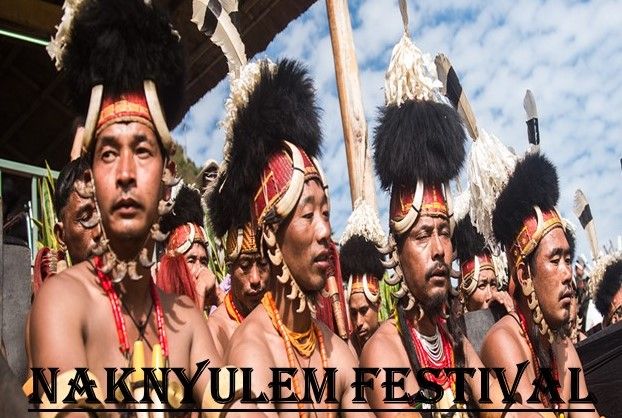
The Naknyulem Festival is the most significant celebration of the Chang Naga Tribe in Nagaland. Officially observed on the 29th, 30th, and 31st of July, it coincides with the first harvest of the year. During this vibrant occasion, Chang households are decorated with a special tree called Ngunam, symbolizing prosperity and renewal. More than a harvest festival, Naknyulem is a cultural expression of victory over darkness, deeply rooted in the tribe’s mythology and traditions.
Origin of Naknyulem Festival
The origins of Naknyulem are closely tied to the spiritual beliefs and history of Nagaland. Initially, it was a religious ceremony celebrating deliverance from darkness. Even today, it remains a symbolic tribute to the triumph of good over evil. Rituals and prayers are offered to invoke divine blessings, reinforcing the community’s faith, unity, and resilience.
Legend of Naknyulem Festival
According to Chang mythology, the world was once engulfed in darkness for six consecutive days and nights. People Struggled to Create Light, burning all available resources, including the horns of cows and buffaloes. On the sixth day, a courageous man named Namo Molo killed a tiger believed to be blocking the light. With his bow and arrow, he shot down the beast, and daylight returned. This legend forms the spiritual foundation of Naknyulem, symbolizing bravery, endurance, and the eternal victory of light over darkness.
Celebration of Naknyulem Festival
The festival is celebrated during the 11th month of the Chang calendar, aligning with late July. Each of the three days carries unique customs and significance:
- Wenshi (Day One): Women prepare steamed rice biscuits, while priests and elder men craft Yan (tops) and Kongkin (mouth flutes). It is believed that gods descend during the festival to collect these offerings. Hence, one piece each of Wei and Yan is placed at the entrance of every home.
- Youchem (Day Two): This day is filled with games, competitions, and playful activities that strengthen community bonds and celebrate joy.
- Nakseng (Day Three): At dawn, men beat log drums until sunrise, symbolizing victory over darkness. Elders sit quietly, listening to the chirping of birds, which is considered a sign of good fortune.
Cultural Significance
Naknyulem is more than a festival—it is a living tradition that preserves the identity of the Chang Naga Tribe. It highlights their agricultural practices, spiritual beliefs, and communal harmony. The rituals, legends, and celebrations reflect the tribe’s resilience and their deep connection to nature.
Conclusion
The Naknyulem Festival stands as a vibrant reminder of Nagaland’s rich cultural heritage. Rooted in mythology and sustained through generations, it celebrates harvest, unity, and The Triumph of Light over Darkness. Whether through the rhythmic beating of log drums, the crafting of sacred offerings, or the joyful games of Youchem, Naknyulem continues to inspire the Chang Naga people to honor their traditions while embracing the future.