
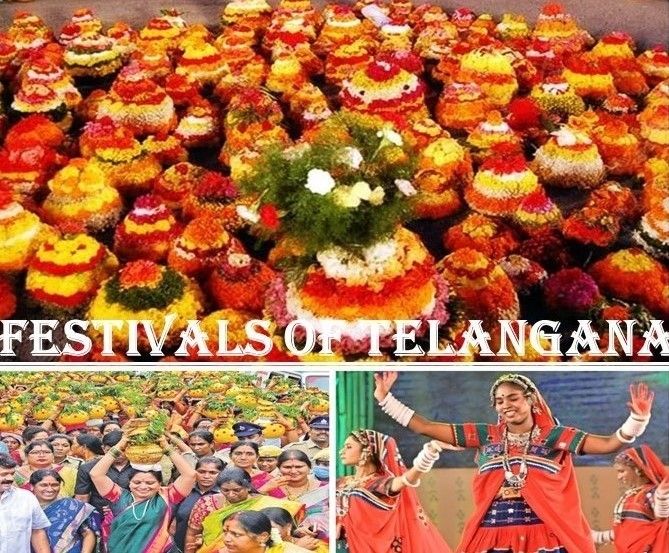
Telangana, some state rich in cultural heritage, is home to diverse traditions and festivals that reflect the vibrancy of its people. Among these, the Lambadi dance, the Gonda dance festival, and Peerla Panduga (Muharram) stand out as unique celebrations that embody the spirit of devotion, joy, and community bonding. Each of these traditions highlights different aspects of Telangana’s cultural identity, from tribal artistry to mythological celebrations and religious harmony.
Lambadi Dance
The Lambadi Dance is performed by the Ganjara tribal community, a semi-nomadic group found across Andhra Pradesh and Telangana. This dance is a colorful expression of joy and festivity, often performed during social gatherings and festivals. The costumes worn during Lambadi are particularly striking—embroidered with glass beads, mirrors, and adorned with ornate jewelry. Women wear ivory bangles and brass anklets, which add rhythm to their movements.
The dance is performed in groups, with participants moving in natural rhythm to folk songs. The choreography emphasizes community participation, with synchronized steps and vibrant expressions. The Lambadi dance is not only a form of entertainment but also a cultural tradition that preserves the identity of the Ganjara people. It reflects their connection to nature, their nomadic lifestyle, and their artistic creativity.
Gonda Dance Festival
The Gonda dance festival is another joyous celebration in Telangana, performed primarily by the youth. Rooted in Indian mythology, the festival commemorates the victories of Lord Krishna and Lord Rama over demons. It is a symbolic representation of the triumph of good over evil, celebrated with enthusiasm and grandeur.
The festival activities include spectacular fireworks and the burning of effigies representing the vanquished demons. These rituals create a lively atmosphere, filled with excitement and communal participation. The Gonda dance itself is performed with energetic movements, accompanied by traditional music and chants.
This festival not only entertains but also educates younger generations about mythological stories and moral values. It reinforces the cultural narrative of courage, righteousness, and victory, making it an important part of Telangana’s festive calendar.
Peerla Panduga (Muharram)
Peerla Panduga, also known as Muharram, is one of the most significant religious festivals in Telangana. It is marked by processions carrying a relic called Alam, symbolizing the martyrdom of Imam Hussain, the grandson of Prophet Muhammad. The processions take place in Ashurkhana, which represents a group of Sufi shrines.
What makes Peerla Panduga unique in Telangana is its inclusive nature. Both Muslims and Hindus participate in the festival, chanting “Ya Hussain” as a mark of respect and devotion. The processions are accompanied by prayers, devotional songs, and rituals that honor the sacrifice of Imam Hussain.
Peerla Panduga reflects the syncretic culture of Telangana, where communities come together to share traditions and beliefs. It is not only a religious observance but also a symbol of unity, tolerance, and cultural harmony.
Conclusion
The Lambadi dance, Gonda Dance Festival, and Peerla Panduga together showcase the diversity and richness of Telangana’s cultural landscape. Lambadi highlights tribal artistry and community spirit, Gonda dance celebrates mythological victories with youthful energy, and Peerla Panduga embodies religious devotion and communal harmony.
These traditions are more than mere performances or rituals they are living expressions of Telangana’s heritage, passed down through generations. By celebrating these festivals, the people of Telangana preserve their cultural identity while promoting unity and joy.