
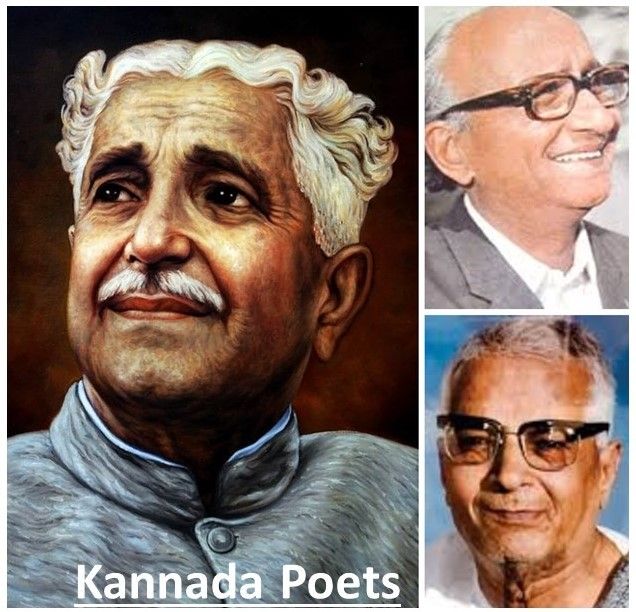
Indian literature is a vibrant mosaic, enriched by the voices of diverse languages and traditions. Within this cultural tapestry, Kannada literature occupies a distinguished place, with poetry serving as its lifeblood. From romantic musings to philosophical reflections, Kannada poets have shaped Karnataka’s cultural identity while contributing significantly to India’s literary heritage. Their works embody themes of love, social reform, nature, and human values, leaving behind a legacy that continues to inspire generations.
K. S. Narasimhaswamy – The Poet of Romance
K. S. Narasimhaswamy is remembered for his tender romantic verses. His celebrated collection Mysooru Mallige has been reprinted more than thirty-two times, symbolizing its timeless appeal. In Karnataka, it is often gifted to newlyweds as a symbol of love and companionship. Inspired by Robert Burns, Narasimhaswamy infused his poetry with natural imagery and heartfelt emotion. Works such as Ungura, Deepada Malli, Shilaalathe, Tereda Baagilu, and Maneyinda Manege highlight his ability to capture affection in simple yet profound language.
Gopalakrishna Adiga – Pioneer of Modern Kannada Poetry
Gopalakrishna Adiga transformed Kannada literature by breaking away from traditional forms. His works, including Samagra Kavyaand Idanna Bayasiralilla, introduced fresh themes and perspectives. Adiga’s essays in Mannina Vasane and his novel Ananthe showcase his versatility. As the founder of the magazine Sakshi, he created a hub for literary experimentation. His influence spanned five decades, making him a central figure in shaping modern Indian poetry.
Kuvempu – Karnataka’s National Poet
Kuppali Venkatappa Puttappa, fondly known as Kuvempu, was more than a poet—he was a novelist, playwright, critic, and thinker. His collections such as Ikshugangotri (1957), Navilu (1937), Kutichaka, Kadiradake, and Kruttikereflect his philosophical depth. Kuvempu emphasized universal human values and harmony between humanity and nature. Honored as Karnataka’s Rashtrakavi (national poet), his works continue to resonate with intellectual and cultural richness.
S. R. Ekkundi – The Creative Visionary
S. R. Ekkundi, known by his pen name Su Ra Ekkundi, was a poet, short story writer, and teacher. His poems—Ladhak Irali Nepa Irali, Matsyagandhi, Kathan Kavyagalu, Bellakkigalu, and Havadigan Hudug—demonstrate his creative brilliance. His collection Bellaki Hindu (2008) remains a significant contribution to Kannada poetry. Ekkundi also explored fiction, with works like Neralu and translations such as Erdu Russian Kadambrigalu, blending social awareness with imaginative storytelling.
D. V. Gundappa – The Philosopher-Poet
D. V. Gundappa, affectionately called DVG, was a philosopher, journalist, and poet. His masterpiece Mankuthimmana Kaggais often compared to wisdom literature, offering profound reflections on life and morality. Other notable works include Vasantha Kusumanjali, Marula Muniyana Kagga, Antahpura, Nivedana (1942), Geete, and Geetha Shaakuntala. Gundappa’s contributions extended beyond poetry to essays, drama, and children’s literature, making him one of the most versatile figures in Kannada literary history.
Other Influential Voices
Kannada Literature also boasts several other remarkable poets. Sarvajna is remembered for his sharp tripadis (three-line verses). Ranna, a medieval poet, enriched classical Kannada traditions. T. N. Srikantaiah played a vital role in modern Kannada poetry, while contemporary voices like Mamta Sagar address feminist and social themes, ensuring the tradition remains dynamic and relevant.
Conclusion
Kannada poetry is a vital strand in India’s literary heritage. From Narasimhaswamy’s romantic verses to Adiga’s modernist innovations, Kuvempu’s philosophical reflections, Ekkundi’s creative explorations, and Gundappa’s wisdom-filled writings, each poet has left an indelible mark on Karnataka’s cultural fabric. Their works preserve tradition while inspiring new generations to engage with literature as a living, evolving art form.