
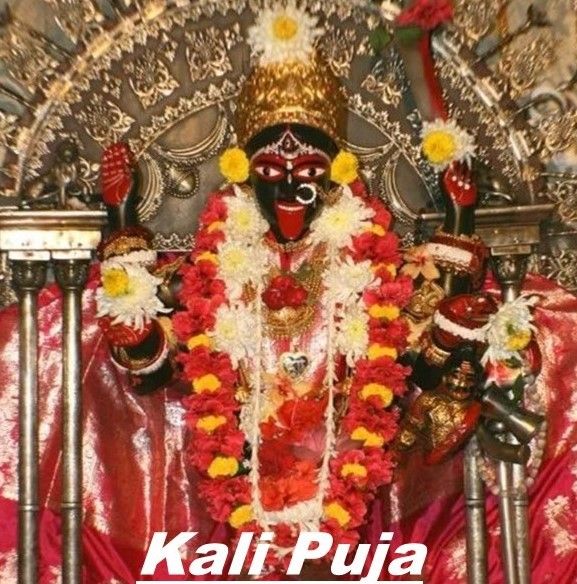
Kali Puja, also known as Shyama Puja, is one of the most spiritually charged and culturally vibrant festivals celebrated in West Bengal, Odisha, and Assam. Dedicated to Goddess Kali, the fierce embodiment of Shakti, it is observed on the new moon night of Ashwin, coinciding with Diwali. While much of India worships Goddess Lakshmi for wealth and prosperity, devotees in these regions invoke Kali the destroyer of evil and the protector of her followers.
History of Kali Puja
Unlike Durga Puja, which has ancient roots, Kali Puja Emerged Relatively Late. The earliest reference appears in Balram’s devotional text Kalika Mangalkavya in the late 17th century. The organized celebration began under Raja Krishnachandra of Navadvipa in the 18th century. His grandson Ishvarchandra and the Bengali elite later popularized it, turning Kali Puja into a grand festival rivaling Durga Puja in scale and devotion.
Worship and Rituals
The rituals of Kali Puja are intense, symbolic, and deeply spiritual:
- Clay idols: Worshipped at homes or in elaborately decorated pandals.
- Night rituals: Performed with tantric rites and mantras, as Kali is believed to dwell in cremation grounds and darkness.
- Offerings: Red hibiscus flowers, rice, lentils, sweets, fish, meat, and in traditional practices, even animal sacrifices.
- Symbolic worship: Kali is often depicted in her Adya Shakti form, adorned with skull garlands and a protruding tongue, symbolizing destruction and creation.
- Devotees: Pandals often feature Lord Shiva, her consort, and revered saints like Bamakhepa and Ramakrishna, who were ardent followers of Kali.
Festive Atmosphere
Beyond rituals, Kali Puja is a lively cultural celebration:
- Fireworks illuminate the night sky.
- Cultural programs such as theatre, music, and magic shows entertain crowds.
- In modern times, even wine has become part of the festivities, reflecting evolving customs.
- The atmosphere blends devotion with revelry, creating a unique spiritual and social experience.
Famous Temples
Two temples in Kolkata hold special significance during Kali Puja:
- Kalighat Temple: One of the most revered shrines, decorated with flowers and lights, attracting thousands of devotees.
- Dakshineshwar Temple: Associated with saint Ramakrishna, where rituals remain unchanged since his time, preserving the spiritual essence of the puja.
Cultural Significance
Kali Puja reflects Bengal’s unique spiritual identity. While Diwali across India celebrates wealth and prosperity, Bengal emphasizes the destruction of evil and triumph of divine power. This contrast highlights the diversity of Indian traditions, where the same festival takes on distinct meanings across regions.
Today, Kali Puja Stands as a Grand Celebration of Faith, culture, and tradition. It is a night when devotees surrender to the fierce yet protective embrace of the Dark Mother, seeking blessings for courage, strength, and liberation.