
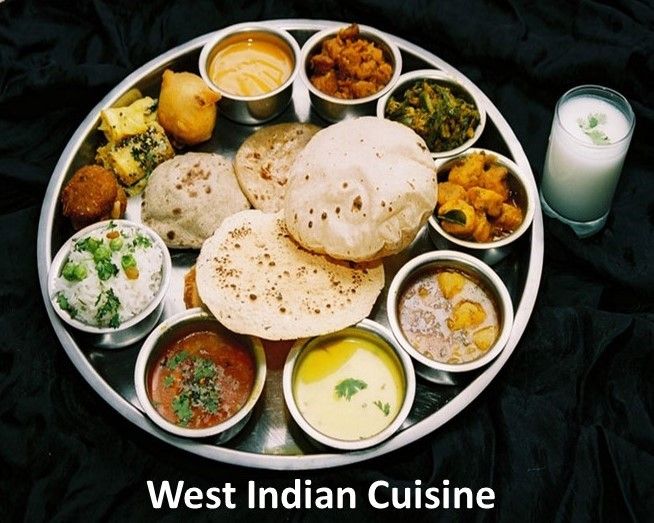
Gujarati cuisine, originating from the western state of Gujarat in India, is a vibrant reflection of the region’s culture, climate, and religious influences. Deeply shaped by Hinduism and Jainism, the cuisine is predominantly vegetarian, with dishes often carrying a subtle sweetness through the addition of sugar or jaggery. What makes Gujarati food truly distinctive is its ability to balance sweet, salty, and spicy flavors simultaneously, creating a unique taste profile that delights the palate.
The Gujarati Thali Tradition
A Quintessential Gujarati Meal is best experienced through a Gujarati Thali, which is a complete platter showcasing the diversity of the cuisine. It typically includes roti (flatbread), dal or kadhi (lentil or yogurt-based curry), rice, and sabzi or shaak (vegetable preparations). Accompaniments such as pickles, chutneys, papad, and farsan (savory snacks) add variety and depth. This tradition reflects not only the culinary richness but also the hospitality of Gujarati households, where meals are served with warmth and abundance.
Climate and Culinary Adaptations
The hot and dry climate of Gujarat has historically limited the availability of fresh vegetables. To overcome this, Gujaratis developed ingenious ways of preserving and enhancing flavors. Pickles, chutneys, and dried snacks became staples, ensuring variety even in harsh conditions. The cuisine also emphasizes cooling elements like yogurt-based dishes, which help balance the body’s heat.
Popular Dishes in Gujarati Cuisine
- Dal Dhokli: A wholesome curry made with wheat flour dumplings simmered in spiced lentils. It is hearty and often enjoyed with roti or chapatti.
- Khandvi: Thin, rolled snacks made from gram flour and yogurt. Soft and delicate, they are seasoned with mustard seeds and curry leaves.
- Undhiyu: A winter delicacy, this mixed vegetable dish is slow-cooked in earthen pots with spices. Traditionally served with puris and shrikhand, it is a festive favorite.
- Lachko Dal: A simple yet nutritious preparation of tuvar dal (pigeon peas), usually paired with steamed rice.
- Lasaniya Batata: Spicy potato curry infused with garlic, offering bold flavors that pair well with rice or flatbreads.
- Sev Tameta Nu Shaak: A tangy tomato curry topped with crispy sev (fried chickpea flour noodles). Popular among the Jain community, it is both comforting and flavorful.
- Bhaat Na Rasawala Muthia: Made from leftover rice, wheat flour, and gram flour, this dish highlights Gujarati ingenuity in minimizing food waste.
- Thepla: A versatile flatbread made with wheat flour, fenugreek leaves, and yogurt. Thepla is a travel-friendly dish often eaten with pickles or chutneys.
- Vagharelo Bhaat: A spiced rice dish prepared with vegetables and tempered with mustard seeds. It is considered soothing and is often given to children during seasonal ailments.
- Gujarati Kadhi: A yogurt-based curry with a sweet and spicy flavor, known for its cooling effect. It is commonly served with rice or roti.
Cultural Significance
Gujarati cuisine is more than just food it is a cultural identity. Meals are often tied to festivals, rituals, and family gatherings. For instance, Undhiyu is synonymous with Uttarayan (the kite festival), while Khandviand Thepla are staples during celebrations and travel. The cuisine’s emphasis on vegetarianism reflects the spiritual values of non-violence and purity cherished in the region.
Conclusion
Gujarati Cuisine is a harmonious blend of flavors, traditions, and innovations. Its ability to balance sweet, spicy, and savory notes makes it stand out among Indian regional cuisines. Whether it’s the comforting Gujarati Kadhi, the festive Undhiyu, or the travel-friendly Thepla, each dish tells a story of resilience, creativity, and cultural pride. For anyone seeking to experience India’s culinary diversity, Gujarati food offers a wholesome and unforgettable journey.