
Introduction
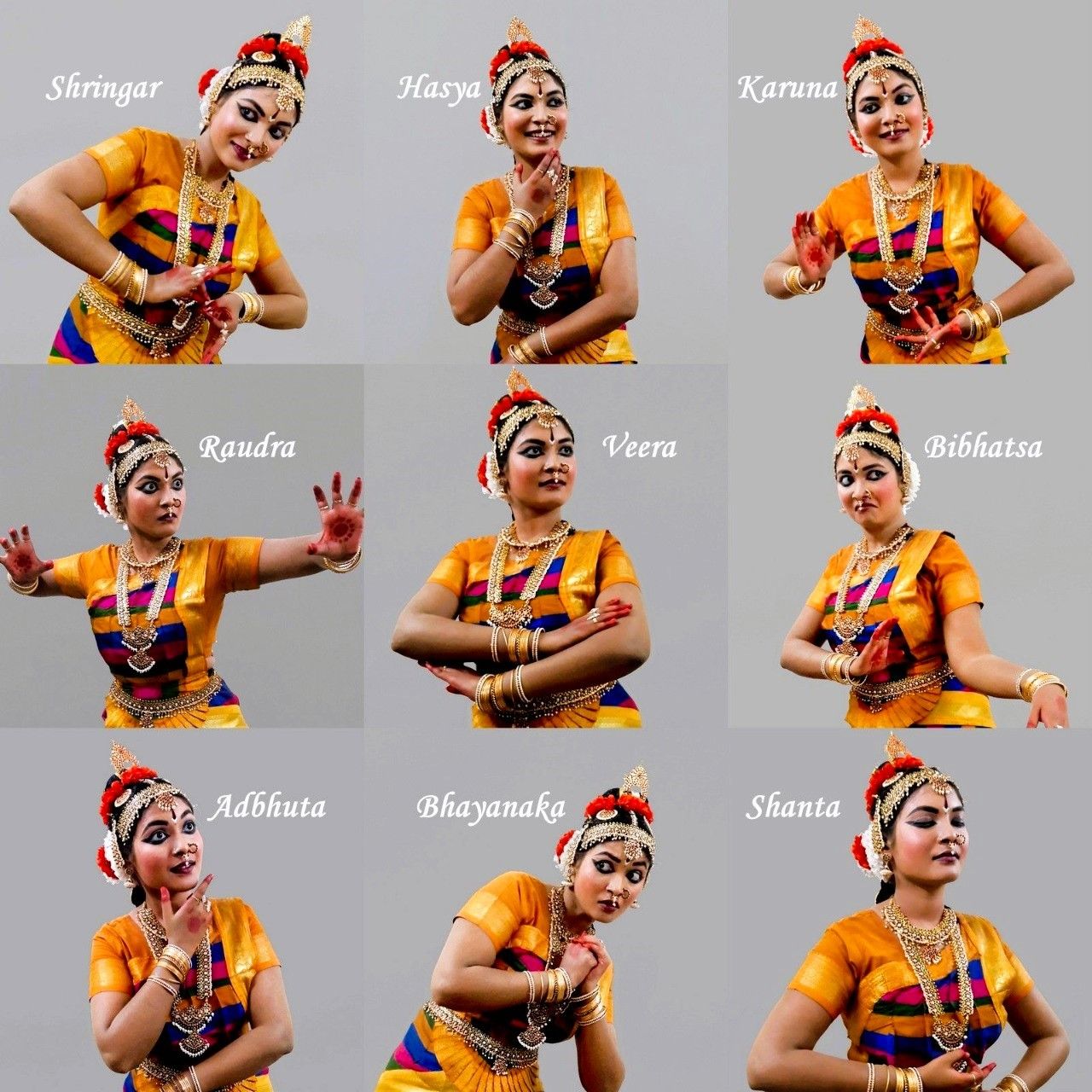
Human life is often described as a grand tapestry, woven from countless threads of experience moments of joy, sorrow, wonder, and serenity. Each of these threads is coloured by emotions that shape how we perceive the world and connect with others. In Indian philosophy and aesthetics, these emotions are captured through the concept of Rasa, the very essence of existence. Rasas are not fleeting moods; they are profound states of being that define the richness of human reality.
This timeless truth was codified centuries ago by Bharata Muni in his monumental treatise, the Natyashastra. Written between 200 BCE and 200 CE, the Natyashastraremains the most comprehensive text on drama, dance, and performance in Indian tradition. Bharata classified human emotions into nine distinct categories, known as the Navarasas. The word nava means nine, while rasa signifies flavour or essence. Together, they represent nine emotional states that form the foundation of artistic expression. Each rasa is associated with a presiding deity and a symbolic colour, linking human emotions to cosmic and spiritual dimensions.
The Nine Rasas in the Natyashastra
Bharata’s framework of Navarasas provides performers with a structured way to evoke specific emotions in audiences. These rasas are not isolated; they overlap and interact, reflecting the complexity of human life.
1. Shringara Rasa (Love and Beauty)
- Essence: Romance, attraction, devotion, aesthetic pleasure
- Deity: Vishnu
- Colour: Light green
Shringara is considered the king of rasas, embodying love, beauty, and tenderness. In dance and drama, it is expressed through graceful movements, delicate gestures, and themes of union or separation. Love permeates all aspects of life, making Shringara The Most Universal of Emotions.
2. Hasya Rasa (Laughter and Joy)
- Essence: Humor, mirth, playfulness
- Deity: Pramatha (attendant of Shiva)
- Colour: White
Hasya brings lightness and joy, ranging from gentle smiles to hearty laughter. It is conveyed through witty dialogue, comic situations, or exaggerated gestures. This rasa reminds us of the importance of humour in balancing life’s seriousness.
3. Raudra Rasa (Anger and Fury)
- Essence: Rage, aggression, destructive energy
- Deity: Rudra (Shiva)
- Colour: Red
Raudra depicts anger and ferocity, often seen in battle scenes or intense confrontations. Performers use forceful movements, sharp expressions, and powerful voice modulation to convey this rasa.
4. Karuna Rasa (Compassion and Pathos)
- Essence: Sympathy, sorrow, empathy
- Deity: Yama
- Colour: Grey
Karuna evokes feelings of sadness and compassion, arising from situations of loss or tragedy. Slow movements, soft tones, and poignant expressions help performers touch the audience’s heart with empathy.
5. Bibhatsa Rasa (Disgust and Aversion)
- Essence: Repulsion, distaste, moral rejection
- Deity: Shiva
- Colour: Blue
Bibhatsa represents disgust, often triggered by unpleasant sights or immoral acts. Performers convey this rasa through grimaces, recoiling gestures, and tones of rejection, reminding audiences of moral boundaries.
6. Bhayanaka Rasa (Fear and Anxiety)
- Essence: Terror, dread, vulnerability
- Deity: Kala (Time/Death)
- Colour: Black
Bhayanaka arises from danger, uncertainty, or supernatural elements. Trembling, wide eyes, and hesitant movements express fear, connecting audiences to the primal emotion of vulnerability.
7. Adbhuta Rasa (Wonder and Amazement)
- Essence: Curiosity, awe, astonishment
- Deity: Brahma
- Colour: Yellow
Adbhuta captures the sense of wonder at extraordinary events or discoveries. Expansive gestures and expressive tones convey awe, celebrating human curiosity and imagination.
8. Veera Rasa (Heroism and Courage)
- Essence: Valor, confidence, determination
- Deity: Indra
- Colour: Golden
Veera embodies bravery and strength, often depicted in heroic acts or moral courage. Bold movements, upright posture, and commanding voice inspire audiences with confidence.
9. Shanta Rasa (Peace and Tranquility)
- Essence: Serenity, detachment, spiritual calm
- Deity: Narayana
- Colour: Blue
Shanta represents inner peace and balance. It transcends worldly emotions, leading to harmony and spiritual fulfillment. Performers express Shanta through meditative gestures and stillness.
Significance of Navarasas in Performing Arts
The Navarasas are not merely artistic devices; they are reflections of human psychology and philosophy. Bharata’s framework allows performers to connect deeply with audiences by evoking universal emotions.
In classical dance forms such as Bharatanatyam, Kathakali, and Odissi, the Navarasas are central to abhinaya (expression). Similarly, in theatre and cinema, directors and actors rely on these rasas to craft compelling narratives. A single performance may move from Shringara to Karuna, from Veera to Shanta, creating a dynamic emotional journey. This interplay mirrors the complexities of life, making art relatable and transformative.
Navarasas Beyond Performance
Though rooted in the performing arts, the Navarasas extend into everyday life. Each human experience resonates with one or more rasas joy in celebration, fear in uncertainty, compassion in empathy, or peace in meditation. By recognizing these emotions, individuals gain deeper self-awareness and appreciation of life’s richness.
Philosophically, the Navarasas align with spiritual teachings. They remind us that emotions are transient yet powerful, guiding us toward balance and harmony. Shanta, the rasa of peace, symbolizes the ultimate goal of transcending worldly attachments and achieving spiritual calm.
Conclusion
The Natyashastra and its doctrine of Navarasas remain timeless contributions to world culture. Bharata Muni’s insight into human emotions continues to inspire artists, scholars, and audiences alike. By codifying the nine rasas, he provided a universal language of Expression That Bridges Art and Life.
Navarasas are not just aesthetic categories; they are the essence of existence. They remind us that life, like art, is a play of emotions sometimes joyful, sometimes sorrowful, sometimes wondrous, but always meaningful. In embracing the Navarasas, we embrace the full spectrum of human experience, celebrating the beauty of life in all its colours.