
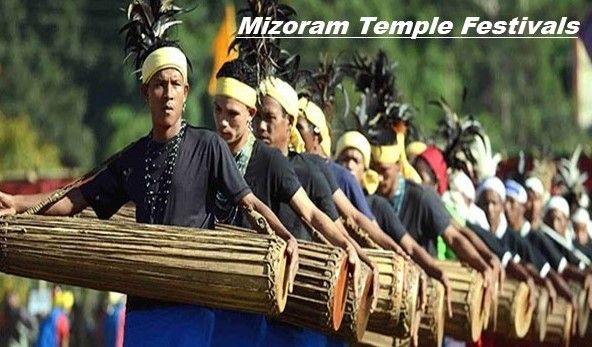
Mizoram, nestled in the scenic hills of Northeast India, is a state where breathtaking landscapes meet vibrant traditions. The Mizo people share a profound bond with their land, and agriculture—particularly jhum cultivation has long been the foundation of their livelihood. This connection to nature is beautifully reflected in the festivals of Mizoram, which are not merely occasions of joy but also expressions of gratitude, unity, and cultural pride.
Chapchar Kut — The Spring Festival
Celebrated between late February and early March, Chapchar Kut is Mizoram’s most prominent festival. It marks the period after bamboo and jungle trees are cut, while farmers await the burning of jhum fields. The festival is a riot of colors, with traditional dances, music, and attire filling the atmosphere. Rooted in agricultural rituals, it symbolizes hopes for a bountiful harvest while serving as a cultural extravaganza that unites communities in shared joy.
Pawl Kut — Thanksgiving for Rice Harvest
Observed between September and January, Pawl Kut coincides with the rice harvest. It is a thanksgiving festival that emphasizes family togetherness, with children playing a central role. Dressed in traditional clothes, they enjoy rice, meat, and boiled eggs. Pawl Kut embodies gratitude for nature’s bounty and strengthens familial bonds, making it one of the most cherished celebrations in Mizoram.
Mim Kut — Maize Harvest Festival
Held during August and September, Mim Kut celebrates the maize harvest. After months of hard work, farmers and families gather for feasting, relaxation, and merriment. Rice beer, local delicacies, and communal gatherings define this festival, offering a well-deserved respite and reinforcing the spirit of unity among the Mizo people.
Mithi-Rop Lam — Honoring Ancestors
Distinct from agricultural festivals, Mithi-Rop Lam is dedicated to deceased clan members. Effigies of ancestors are displayed during dances and rituals, symbolizing respect and remembrance. Descendants later reclaim these effigies, reinforcing the cultural value of honoring forefathers and preserving ancestral bonds across generations.
Anthurium Festival — A Modern Celebration
Unlike traditional harvest festivals, the Anthurium Festival is a modern event held in late September at Reiek. Known as the “festival of flowers,” it highlights Mizoram’s biodiversity and cultural richness. Tourists and locals gather to admire blooming anthuriums, enjoy cultural performances, and explore exhibitions. It has become a symbol of Mizoram’s blend of tradition and modernity.
Cultural Significance
The festivals of Mizoram are more than seasonal celebrations; they embody the spirit of community, gratitude, and cultural pride. Dance forms like Cheraw (the famous bamboo dance) and folk songs are integral, turning every festival into a vibrant display of heritage. These occasions strengthen social bonds, preserve traditions, and pass cultural values to younger generations.
Conclusion
Whether agricultural like Chapchar Kut, Pawl Kut, and Mim Kut, or cultural like Mithi-Rop Lam and Anthurium Festival, Mizoram’s festivals reflect the deep connection between the Mizo people, their land, and their traditions. They are not only times of joy and feasting but also vital expressions of identity and continuity of heritage.
In essence, Mizoram’s festivals are living traditions Celebrations of Nature, family, and culture that continue to inspire pride and unity among its people.