
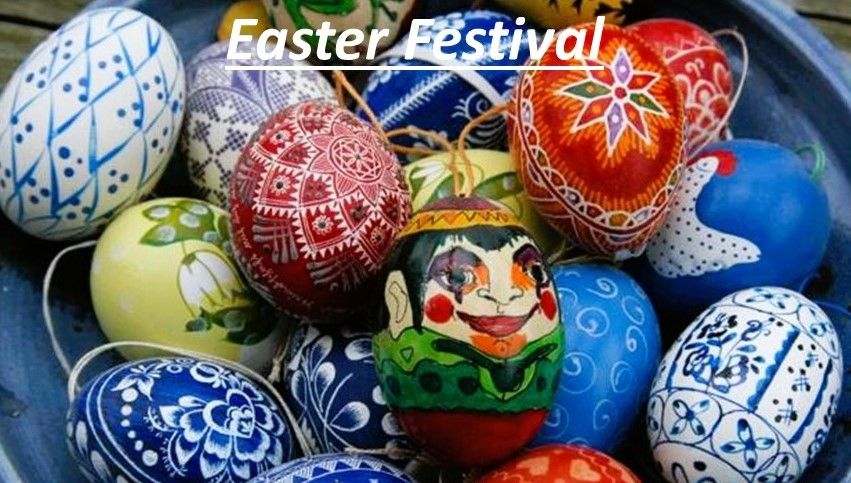
The Easter Festival is one of the most significant events in Christianity, commemorating the resurrection of Jesus Christ. This sacred moment, regarded as the cornerstone of Christian belief, symbolizes triumph over sin and death. Across the globe, Easter is observed not only as a solemn religious occasion but also as a vibrant cultural celebration, blending spirituality with joy, tradition, and community.
Origins and Symbolism
Easter’s foundation lies in the early Christian church, which established it as the most sacred day of worship. The Resurrection of Christ, occurring three days after his crucifixion, is seen as the ultimate victory over mortality. Its timing is closely tied to the Jewish Passover, since the crucifixion and resurrection took place during that period.
Key symbols of Easter include:
- The Cross — representing sacrifice and redemption.
- The Empty Tomb — signifying triumph over death.
- Easter Eggs — symbolizing new life and rebirth.
- The Lamb — reflecting purity and Christ as the “Lamb of God.”
Celebration and Activities
Easter traditions vary across cultures, yet several practices remain universal:
- Church Services: Special liturgies, midnight masses, and sunrise services mark the resurrection.
- Easter Egg Hunts: Children search for decorated eggs, symbolizing joy and renewal.
- Easter Bunny: A folkloric figure delivering eggs and sweets, especially popular in Western traditions.
- Festive Meals: Families gather to share lamb, ham, breads, and cakes.
- Parades: Communities celebrate with colorful costumes, music, and dance.
In India, Easter is marked by midnight vigils, candlelight processions, and community feasts, blending Christian devotion with local cultural vibrancy.
Cultural and Social Significance
Easter is more than a religious observance; it is a cultural event that unites families and communities. For Christians, it reaffirms faith and spiritual renewal. For society, it fosters togetherness, generosity, and joy.
Economically, Easter boosts local markets through sales of food, decorations, and gifts. Socially, it strengthens bonds as traditions are passed down generations, ensuring continuity of faith and culture.
A Culinary Paradise
Food plays a central role in Easter celebrations, with each region offering unique delicacies:
- Hot Cross Buns in the UK, marked with a symbolic cross.
- Paska Bread in Eastern Europe, rich and sweet.
- Roast Lamb in Mediterranean countries, symbolizing sacrifice.
- Chocolate Eggs worldwide, enjoyed by children and adults alike.
These dishes embody The Spirit of Sharing and Celebration, making Easter a feast for both the soul and the senses.
Conclusion
The Easter Festival is more than a holiday; it is a living testament to faith, renewal, and cultural diversity. By honoring the resurrection of Christ, it preserves Christian identity while inviting the world to experience its beauty. Whether through solemn worship or joyful traditions, Easter continues to inspire hope and unity across nations.