
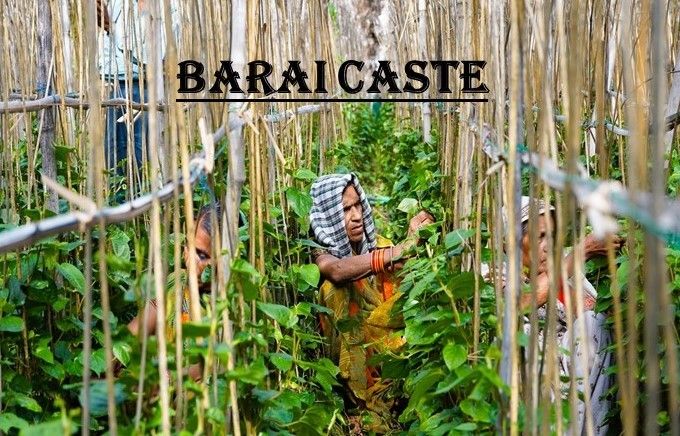
The Barai caste, traditionally associated with the cultivation and trade of betel leaves, is a community with deep cultural roots and diverse social divisions. Spread across states such as Uttar Pradesh, Bihar, Madhya Pradesh, and Odisha, The Barais Have Developed a Complex social structure marked by endogamous and exogamous groups, territorial identities, and unique traditions.
Endogamous Divisions of the Barai Caste
The Barai caste is divided into several endogamous sub-groups, each with distinct territorial origins:
Chaurasia – Named after Chaurasi pargana in Mirzapur District.
Panagaria – Originating from Panagar in Jabalpur.
Mahobia – Linked to Mahoba District.
Jaiswar – From Rai Bareli District.
Gangapari – Another territorial division.
Pardeshi or Deshwari – Literally meaning “foreigners,” indicating migration from outside regions.
These divisions highlight the migratory history of the Barai caste, with many groups tracing their roots to northern and eastern India. Each batch of immigrants formed distinct endogamous divisions upon arrival, preserving their territorial identity.
Other Sub-Castes
Beyond the main divisions, the Barai caste also includes several other sub-castes with unique origins:
Dudh Barais – Kunbis who adopted the profession of betel cultivation.
Jharia and Kosaria – Known as Purania or “old Barais.”
Kumhardhang – Said to descend from a potter whose wheel once grew a betel plant.
These groups reflect the caste’s openness to incorporating individuals from other communities who took up the betel trade.
Exogamous Groups
The Barai caste is further categorized into numerous exogamous groups, often named after territories or other castes:
Kanaujia – From Kannauj.
Burhanpuria – From Burhanpur.
Chitoria – From Chittorgarh in Rajputana.
Deobijha – Named after a village in Chhattisgarh.
Kharondiha – From Kharond.
If a group is named after another caste, it suggests that a man from that caste eventually became a Barai and established a family line. This system illustrates the dynamic nature of caste identity, blending territorial and occupational markers.
Society and Customs
The social life of the Barai caste is governed by strict rules and traditions:
Marriage Practices – Marriage within the same exogamous group is prohibited. Girls are often married before adolescence, and polygamy is permitted.
Festivals and Religion – The Barais are deeply religious, celebrating numerous festivals. Nag Panchami holds special significance, reflecting their devotion to indigenous traditions.
Cultural Identity – Known for their indigenous culture, the Barais maintain strong ties to their ancestral customs and agricultural practices.
Conclusion
The Barai Caste exemplifies the intricate interplay of migration, territorial identity, and occupational specialization in Indian society. With its diverse endogamous and exogamous divisions, the community reflects both continuity and adaptation. Their Strong Cultural Traditions, religious observances, and agricultural heritage make the Barais a distinctive and enduring part of India’s social fabric.