
Introduction
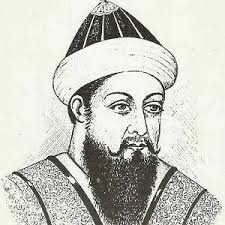
Qutub-ud-din Aibak, the first ruler of the Delhi Sultanate, occupies a unique place in medieval Indian history. His reign was short-lived, lasting only four years (1206–1210), yet it was marked by constant challenges and delicate diplomacy. Unlike later sultans who pursued aggressive expansion, Aibak’s primary concern was safeguarding his independent position amidst rival claimants and regional powers. His diplomacy was shaped by the need to balance external threats, internal instability, and the fragile foundations of the newly established Sultanate.
Struggles in the Northwest
One of the greatest Challenges to Aibak Authority came from Taj-ud-din Yildoz of Ghazni. Yildoz envied Aibak’s rise and sought to undermine his influence over Sultan Mahmud of Feroz Koh. In 1208, Aibak marched against Ghazni, briefly occupying it and winning Mahmud’s allegiance. However, Yildoz soon expelled him, forcing Aibak to retreat to Lahore. This episode highlights Aibak’s precarious position: his diplomacy was not about conquest but about survival against powerful rivals who contested his legitimacy.
Bengal and Bihar Affairs
The eastern frontier posed another test of Aibak’s diplomatic skills. The death of Ikhtivar-ud-din Khalji in Bengal threatened Delhi’s tenuous hold over the region. Ali Mardan Khan declared independence at Lakhnauti (modern Gaur), but was soon replaced and imprisoned by local Khilji chiefs. Escaping to Delhi, Ali Mardan persuaded Aibak to intervene. Aibak’s involvement was cautious yet effective: the Khilji nobles eventually accepted his suzerainty and agreed to send annual tribute to Delhi. This settlement demonstrates Aibak’s pragmatic diplomacy—he avoided costly military campaigns while ensuring symbolic recognition of his authority.
Relations with the Rajputs
Unlike his predecessors and successors, Aibak did not pursue aggressive campaigns against the Rajputs. His reign coincided with a period when Rajput rulers regained some of their lost territories. Preoccupied with defending his position in Lahore and managing conflicts in Ghazni and Bengal, Aibak lacked the resources and time to launch sustained offensives. His diplomacy toward the Rajputs was essentially one of restraint, dictated by necessity rather than choice.
Administrative Diplomacy
Aibak’s administration reflected the transitional nature of his rule. Local governance largely remained in the hands of native elites, while Muslim officers—mostly soldiers—were appointed to oversee departments. Justice was rudimentary, and the Sultanate lacked a sophisticated bureaucratic system. Yet, Aibak’s tolerance in times of peace earned him a reputation for moderation. Although his military campaigns against Hindu rulers involved enslavement and temple destruction, in periods of stability he refrained from persecution, allowing coexistence between communities. This duality underscores his diplomatic balancing act between religious zeal and political pragmatism.
Legacy of Diplomacy
Qutub-ud-din Aibak’s reign was too brief to establish a lasting empire, but his diplomacy laid the groundwork for the Delhi Sultanate’s survival. By securing recognition in Bengal, resisting rivals in Ghazni, and maintaining a cautious stance toward the Rajputs, he ensured that the Sultanate endured beyond his death. His ability to navigate crises without overextending resources reflects a statesman who understood the fragility of his position.
Conclusion
The diplomacy of Qutub-ud-din Aibak was defined by compromise, caution, and survival. He was not a conqueror in the mold of later sultans, but a ruler who relied on negotiation, symbolic authority, and pragmatic alliances. His reign illustrates the challenges of consolidating power in a fragmented political landscape. Though remembered as the founder of The Delhi Sultanate, his true achievement lay in preserving its existence during its most vulnerable years.