
Introduction
Uttara Kannada, a district in Karnataka known for its natural beauty, is equally rich in cultural diversity. The district’s traditions, tribal communities, folk arts, and cuisine reflect a vibrant way of life that has evolved over centuries. Its cultural fabric is woven with influences from indigenous practices, coastal lifestyles, and historical interactions with traders and rulers.
Tribal Communities
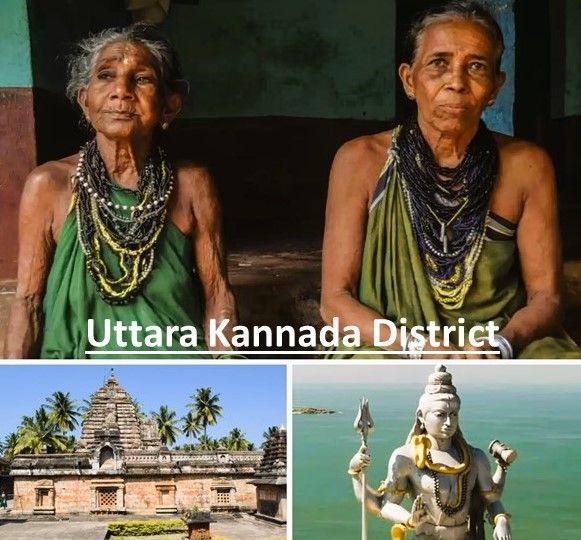
A Substantial Tribal Population resides in Uttara Kannada, each group contributing unique customs and traditions. The main tribes include the Sidhi, Kunabi, Halakki Vokkaliga, Gonda, and Gouli. These communities preserve age-old practices, oral traditions, and folk rituals that enrich the district’s cultural identity. The Halakki Vokkaligas, for instance, are known for their distinctive attire and jewelry, while the Sidhi community, of African origin, has retained elements of their ancestral heritage alongside local influences.
Folk Arts and Performances
Folk arts form the heartbeat of Uttara Kannada’s cultural life. Traditional dances and performances are integral to festivals and community gatherings. Among the most popular are:
- Suggikunitha – A lively folk dance performed during festive occasions.
- Holi Dance – Celebrated during the festival of colors, showcasing joy and community spirit.
- Hulivesha – A tiger dance performed with painted bodies and masks, symbolizing valor and energy.
- Siddi Dance – A unique performance by the Sidhi tribe, blending African rhythms with local traditions.
Another cultural gem of the district is Yakshagana, a traditional theatre form combining dance, music, dialogue, and elaborate costumes. It is widely performed across coastal Karnataka and holds a special place in Uttara Kannada’s cultural landscape.
Language and Cuisine
The major languages spoken in the district are Kannadaand Konkani, reflecting both inland and coastal influences. These languages are not just modes of communication but carriers of folklore, songs, and oral traditions.
The cuisine of Uttara Kannada is equally distinctive. Rice is the staple food, often accompanied by seafood delicacies owing to the district’s long coastline. Coconut and cashew nuts are widely used in cooking, adding flavor and richness to local dishes. Tea is a popular beverage, frequently flavored with mint or cardamom, offering a refreshing touch to daily life.
Festivals and Celebrations
Festivals in Uttara Kannada highlight the district’s cultural diversity and communal harmony. Major celebrations include:
- Diwali – The festival of lights, celebrated with lamps, sweets, and family gatherings.
- Eid-ul-Fitr and Eid-ul-Adha – Important Islamic festivals observed with prayers, feasts, and community bonding.
These festivals, along with local tribal rituals and folk celebrations, create a calendar filled with joy, devotion, and cultural expression.
Conclusion
The Culture of Uttara Kannada District is a vibrant blend of tribal traditions, folk arts, languages, and cuisine. From the rhythmic beats of Siddi dances to the grandeur of Yakshagana, from the flavors of seafood and coconut to the warmth of festive celebrations, the district offers a rich cultural experience. Its diversity reflects the harmony of communities living together while preserving their unique identities. Uttara Kannada thus stands as a cultural jewel of Karnataka, where tradition and modernity coexist beautifully.