
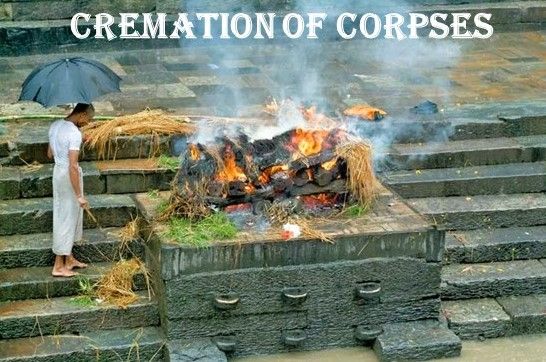
In India, the disposal of the dead has always been shaped by religious beliefs, cultural traditions, and social customs. Among Hindus, cremation is the most widespread practice, deeply rooted in spiritual philosophy and ritual obligations. Unlike burial, which is common in many parts of the world, cremation is seen as a way to purify the body and release the soul, allowing it to continue its journey beyond earthly existence.
Hindu Beliefs and Practices
The Hindu tradition emphasizes cremation as a sacred duty. According to the Sastras, the rites performed for the dead are effective only if the body is cremated. Burning the Corpse is Believed to Help the soul detach from the physical body and ascend to higher spiritual realms. Without cremation, the soul may remain bound to the earthly plane, unable to benefit from the rituals performed by relatives.
Cremation also has practical benefits. It prevents the corpse from decaying underground, which could pollute water sources and spread disease. Thus, the practice is not only spiritually significant but also environmentally safer compared to burial.
Exceptions to Cremation
While cremation is the norm, there are notable exceptions within Hindu customs:
- Sanyasis: Holy men who have renounced worldly life are buried instead of cremated. Their spiritual merit is considered sufficient to elevate them to higher realms without the need for funeral rites.
- Children: Infants and very young children are buried, as they are believed to ascend directly to spiritual planes without requiring rituals.
- Lower caste traditions: Certain communities prefer burial, following customs that they believe are adequate for spiritual progress.
These exceptions highlight the diversity within Hindu practices, showing how age, spiritual status, and community traditions influence funeral rites.
Alternative Customs
Other religious groups in India have distinct practices. The Parsis, for example, reject both burial and cremation. They place corpses in structures known as “Towers of Silence,” where bodies are exposed to birds of prey like vultures. This method is based on the belief that neither earth nor fire should be polluted by human remains. While practical in some respects, such practices can be emotionally difficult for relatives, as they involve the body being consumed by scavenging birds.
Sentiment and Symbolism
Ultimately, the choice of cremation, burial, or exposure is shaped by sentiment as much as by ritual. Relatives often find cremation more acceptable than seeing the body torn apart by birds or left to decay underground. Yet, all three methods—cremation, burial, and exposure—carry equal sorrow for the bereaved, as the true loss lies in the absence of the loved one.
Conclusion
Cremation remains the most widespread and spiritually endorsed method of disposing of corpses among Hindus. It aligns with religious teachings, ensures environmental safety, and symbolizes the release of the soul from earthly ties. Exceptions such as the burial of sanyasis, children, and certain communities reflect The Nuanced Diversity within Indian Traditions. Meanwhile, practices like those of the Parsis illustrate how different faiths interpret the sanctity of death and the disposal of the body.