
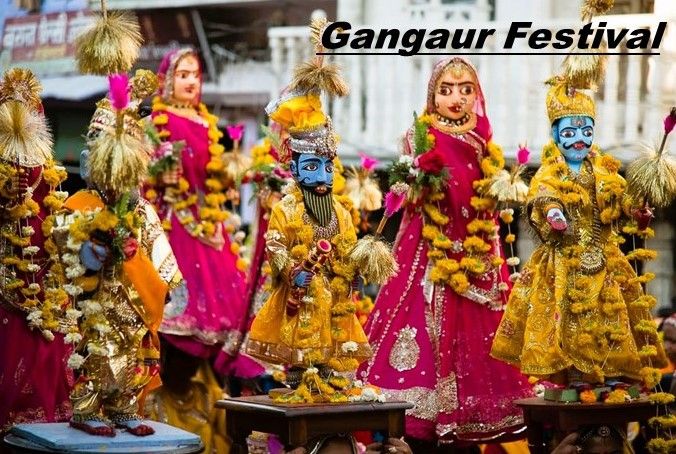
The Gangaur Festival is one of Rajasthan’s most cherished cultural events, blending devotion, artistry, and community spirit. Rooted in Hindu traditions, it honors Lord Shiva (Gan) and Goddess Parvati (Gauri), symbolizing the divine couple whose Union Represents Fidelity and Marital Bliss. The very name “Gangaur” is derived from Gan and Gauri, underscoring its spiritual essence.
Mythological Origins
According to legend, Goddess Gauri performed intense penance to reunite with Lord Shiva. Their reunion is celebrated through rituals that highlight love, devotion, and the sacred bond of marriage. Women across Rajasthan, whether married or unmarried, participate with enthusiasm, seeking blessings for happiness, prosperity, and harmony in their marital lives.
Rituals and Practices
The festival begins on the third day of Shukla Paksha in the Chaitra month (March–April) and lasts for 18 days. Key traditions include:
- Clay idols: Artisans known as matherans craft and paint idols of Isar (Shiva) and Gauri.
- Ghudlia songs: Unmarried girls carry earthen pots with oil lamps, visiting homes while singing traditional songs. They receive sweets, jaggery, ghee, and oil.
- Fasting rituals: Married women observe fasts for 18 days, believing it ensures marital harmony.
- Mehndi designs: Hands and feet are adorned with motifs of the sun, moon, stars, and flowers.
On the final day, a grand procession symbolizes Lord Shiva arriving to escort Goddess Gauri home. The immersion of idols in water bodies marks the conclusion of the festivities.
Regional Celebrations
Though celebrated across Rajasthan, each region adds its own flavor:
- Jaipur: A majestic procession begins at Tripolia Gate, featuring palanquins, drummers, dancers, elephants, and horses.
- Jodhpur: Known for vibrant processions and community gatherings.
- Udaipur: Considered the best place to witness Gangaur, with lakeside processions and cultural performances.
Beyond Rajasthan, the festival is also Observed in Madhya Pradesh, Haryana, and Gujarat, reflecting its widespread cultural influence.
Culinary Traditions
No Indian festival is complete without food, and Gangaur is no exception. The sweet delicacy Ghewar is synonymous with the celebrations. Families prepare and distribute it among friends and relatives, adding flavor to the festivities.
Cultural Significance
Gangaur is more than a religious observance; it is a celebration of society, tradition, and Hinduism. It reinforces values of love, fidelity, and devotion while uniting communities through music, dance, and shared rituals.
The Gangaur Festival stands as a vibrant testament to Rajasthan’s cultural richness. With its blend of mythology, rituals, artistry, and community spirit, it continues to enchant participants and spectators alike. Whether through the sight of beautifully adorned idols, the sound of ghudlia songs, or the taste of ghewar, Gangaur remains a cherished celebration of love and tradition.