
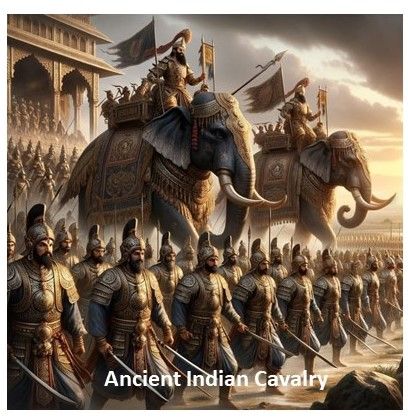
The cavalry played a pivotal role in the military organization of ancient India, signifying the importance of mounted warriors in the age of regional conflicts and expansive empires. It embodied not merely a tactical advantage but underscored the intricate blend of natural affinity and consummate craftsmanship involved in equestrian warfare. The duties surrounding cavalry, particularly the superintendence of horses, were extensive and meticulous, reflecting an advanced understanding of equine care, military strategy, and the need for precise record-keeping.
The Superintendent of Horses, or Senāpati, was charged with the pressing responsibility of overseeing the cavalry component of the army. This role necessitated a profound knowledge of horses, encompassing their physical and temperamental qualities. Understanding the emotional and psychological needs of these animals was essential for their effective training and deployment. The Superintendent ensured that each horse was not only fit for battle but also aligned with the specific needs of its rider, thus enhancing both the agility and impact of cavalry charges during engagements.
An essential facet of the Superintendent's role was the meticulous record-keeping for each horse within the cavalry. Entries included critical information such as breed, age, color, distinguishing marks, and classification based on physical capabilities. This detailed documentation allowed for an organized approach to equestrian management, crucial for maintaining a well-prepared cavalry force. Records indicated that the best breeds of horses were primarily sourced from Kham-bhoja, Sindhu, Aratta (Punjab), and Vanayu (Arabia), while the middle-quality horses came from Bahlika (Punjab) and Sauvira (Gujarat). The remainder was categorized as avarah, denoting standard or ordinary horses that could serve various secondary roles within the army.
The role of veterinary science was remarkably advanced in ancient India. The presence of skilled veterinary surgeons who were well-versed in equine anatomy and health was a valuable asset for the cavalry. These practitioners were responsible for administering the appropriate medications and treatments for various health issues faced by horses, which included managing undue weight fluctuations influenced by diet and seasonality. The diet of these animals varied significantly with the changing seasons, signifying an acute awareness of nutritional science that ensured horses were in optimal condition for warfare.
The training of both the horse and its rider was of paramount importance and was referred to as sannahyam karma. Training involved not merely rudimentary riding skills but also a nuanced understanding of coordinated movements, fostering a harmonious relationship between rider and mount. Different forms of trot were developed for combat effectiveness. For instance, the vikrama trot emphasized speed, while the bhardrasvasa was notable for its circular movement. The utilizados trot and upakantha offered varied paces that could adapt to the dynamics of battle conditions, allowing for enhanced maneuverability and positioning during conflicts. Such training methodologies underlined the technical prowess and sophistication of ancient Indian cavalry tactics.
Moreover, the spiritual dimension of cavalry deployment cannot be overlooked. Horses were often given ceremonial names, reflecting their significance within the army beyond mere functional use. Priests would invoke blessings from deities, and soldiers would engage in rituals that involved bathing, applying sandalwood powder, decorating, and garlanding their mounts twice daily. This not only fostered a deep sense of respect and reverence for the animals but also established a cultural connection that linked military aspirations with divine favor.
The stringent regulations imposed on the care of horses further demonstrated the high regard in which these animals, and by extension their riders, were held. Any negligence in horse management was treated with utmost seriousness, with penalties imposed on caretakers for failures that could jeopardize the health or morale of the cavalry unit. Fines, computed to equal the value of the horse (termed patramulya), were a deterrent against carelessness, ensuring that supervisors maintained a diligent and watchful eye over their charges.
In conclusion, the cavalry in the ancient Indian army represented a sophisticated amalgamation of tactical foresight, scientific management, and cultural reverence for equine companions. The exacting duties of the Superintendent of Horses underscored the realization that success in warfare hinged on the health and readiness of the cavalry. Through advanced veterinary practices, strategic training methodologies, and cultural rituals, ancient India exemplified an exceptional model of military organization that honored both the warrior and their steed. The legacy of this dedication endures, reflecting the essential role cavalry played in shaping the military history of the Indian subcontinent.